As we step into a new era of education, there’s a refreshing conversation taking root around inclusivity.
This shift is not merely a trend; it represents a profound understanding of the diverse needs of all learners.
The landscape of education is evolving, and with it, our collective approach to ensuring that every student feels welcomed, understood, and supported.
A gentle embrace of diversity
At the heart of inclusive education lies the belief that every child deserves the opportunity to thrive, regardless of their background or abilities. This philosophy encourages educators, parents, and communities to recognize and embrace the unique qualities each student brings to the classroom. It’s about creating an environment where differences are not just tolerated but celebrated.
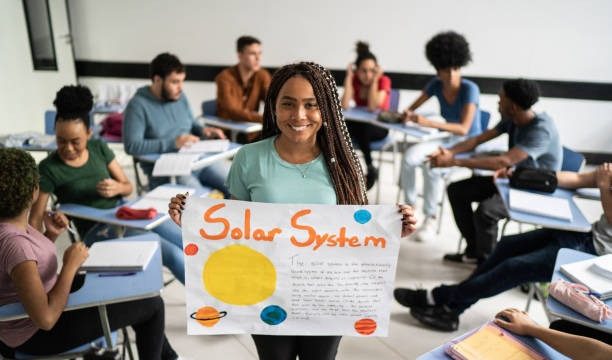
Imagine a classroom bustling with energy, where students with varying needs work side by side, learning from one another. This vibrant atmosphere fosters empathy and understanding, teaching children that the world is a rich tapestry of experiences and perspectives. When we nurture this mindset from an early age, we cultivate a generation that values collaboration and compassion.
Creating supportive environments
One of the most significant changes in inclusive education is the focus on creating supportive environments. This doesn’t just mean physical spaces that accommodate everyone; it extends to emotional and social support systems as well. Teachers are increasingly trained to recognize the individual needs of their students, adapting their teaching methods to ensure that everyone can engage with the material.
In practice, this might look like flexible seating arrangements that allow students to choose where they feel most comfortable or the use of technology to provide personalized learning experiences. When students feel secure and valued, they are more likely to participate actively, fostering a sense of belonging that is essential for learning.
Building bridges through collaboration
Collaboration is another cornerstone of inclusive education. This approach encourages partnerships among educators, specialists, and families to create a cohesive support system for students. When teachers work together, sharing insights and strategies, they can better address the diverse needs of their students. This teamwork extends beyond the classroom, inviting parents and caregivers to be active participants in their children’s education.
By collaborating, we create a more holistic approach to learning. Families can share valuable information about their child’s strengths and challenges, while educators can provide guidance on how to navigate school life. This shared responsibility fosters a community where everyone feels invested in the success of each student, reinforcing the idea that education is a collective journey.
Embracing technology as a tool
In the digital age, technology plays an essential role in making education more inclusive. From adaptive learning tools to online resources, technology can bridge gaps and provide tailored support for students with varying needs. For instance, applications that read text aloud can assist students with reading difficulties, while interactive platforms can engage visual and auditory learners alike.
Moreover, technology can facilitate communication between teachers, students, and parents, creating a transparent and supportive network. This connection is vital, especially for families who may feel disconnected from the school environment. By leveraging technology, we can ensure that every voice is heard and valued, paving the way for a more inclusive educational experience.
Fostering resilience and independence
As we embrace a more inclusive approach, it’s essential to cultivate resilience and independence in students. Encouraging self-advocacy is a vital component of this journey. When students learn to express their needs and seek support, they develop confidence in their abilities. This empowerment is crucial as they navigate both academic challenges and life beyond the classroom.
Educators can play a pivotal role in nurturing this independence by providing opportunities for students to take ownership of their learning. Whether through project-based assignments or group activities, students can explore their interests and strengths, fostering a sense of agency that will serve them well in the future.
A brighter future for all
The commitment to inclusive education is not just a moral imperative; it is a pathway to a brighter future for all students. As we continue to dismantle barriers and challenge outdated perceptions, we create a world where everyone has the opportunity to succeed. This is not only beneficial for students with disabilities but enriches the educational experience for all learners.
In this new chapter, we are reminded that education is about more than just academic achievement. It is about nurturing compassionate, well-rounded individuals who can thrive in a diverse society. As we move forward, let us remain steadfast in our dedication to creating inclusive environments that honor and uplift every student.
A journey worth taking
While the journey toward inclusive education is ongoing, each step taken is a testament to our collective commitment to fostering a supportive and equitable learning environment. By embracing diversity, collaborating with one another, and leveraging technology, we can create classrooms that reflect the richness of our communities.
As we look ahead, let us be inspired by the possibilities that inclusive education holds. Together, we can build a future where every student feels seen, heard, and valued, creating a ripple effect that extends far beyond the walls of the classroom. In this new chapter, we have the power to shape a world where education truly knows no bounds, and every learner can flourish.