In today’s fast-paced world, finding a nurturing environment for children to learn and play is more important than ever.
A positive place to learn and play can significantly impact a child’s development, fostering creativity, resilience, and a love for knowledge.
Such spaces provide not only educational opportunities but also a sense of belonging, where children can thrive emotionally and socially.
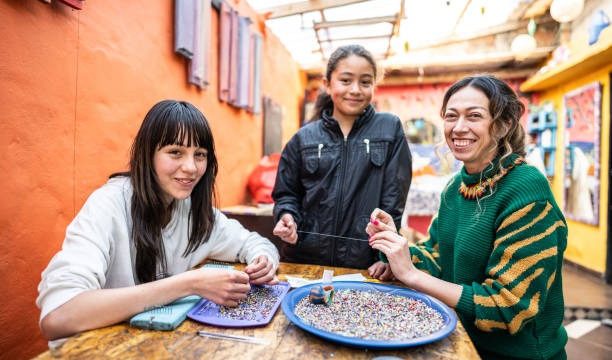
Creating a supportive atmosphere begins with understanding the needs of children. They flourish in environments that encourage exploration and curiosity. A well-designed space that is both stimulating and safe allows children to engage with their surroundings in meaningful ways. Bright colors, natural light, and cozy nooks can transform a regular classroom or play area into a vibrant haven for learning. When children feel comfortable and secure, they are more likely to express themselves freely and develop their unique interests.
The power of play in learning cannot be overstated. Play is a child’s natural way of discovering the world around them. Through imaginative play, children practice problem-solving, cooperation, and communication skills. A positive learning environment embraces this concept, allowing children to learn through play. Whether it’s building with blocks, pretending to be in a different world, or engaging in group activities, play encourages critical thinking and social interaction. It’s essential to provide ample opportunities for children to explore these avenues, as they are fundamental to their growth.
Incorporating diverse activities is another vital aspect of fostering a positive learning environment. Each child has different strengths and interests, and a variety of experiences can cater to these differences. Art, music, science experiments, and outdoor adventures can all coexist harmoniously in a well-rounded program. By encouraging children to dabble in different areas, we help them discover their passions and talents. This exploration not only builds confidence but also nurtures a lifelong love for learning.
A small shift toward balance can also make a significant difference in a child’s learning experience. In our increasingly digital world, it is important to find harmony between technology and hands-on learning. While educational apps and online resources can enhance learning, nothing replaces the tactile experience of building, crafting, or playing outside. Encouraging breaks from screens to engage in physical activity or creative pursuits can lead to healthier habits and a more balanced lifestyle.
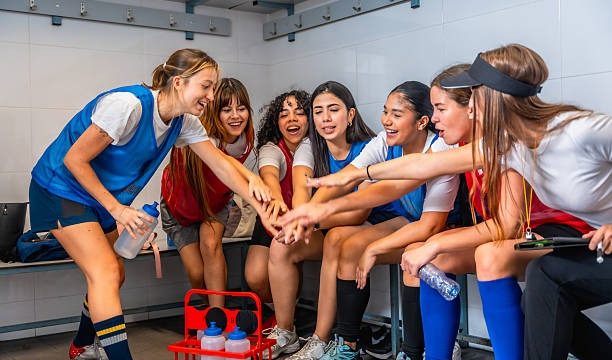
Building strong relationships is at the heart of any positive learning environment. Children thrive when they feel connected to their peers and caregivers. A supportive community fosters trust and emotional security, allowing children to take risks and share their thoughts without fear of judgment. Creating an inclusive atmosphere where every child feels valued and respected is essential. This sense of belonging nurtures empathy and helps children understand the importance of kindness and cooperation.
Parental involvement is another crucial element in cultivating a positive space for learning and play. When parents engage with their children’s educational experiences, it reinforces the value of learning at home. Open communication between parents and educators can create a unified approach to a child’s development. Simple actions, such as attending school events or volunteering in the classroom, can strengthen this bond. When children see their parents actively participating in their learning journey, they feel more supported and motivated to excel.
Furthermore, teaching children about emotional intelligence can greatly enhance their ability to navigate social situations. Encouraging them to express their feelings and understand those of others can lead to healthier relationships and better conflict resolution skills. Incorporating activities that promote emotional awareness, such as storytelling or role-playing, can help children develop these essential skills in a fun and engaging way.
As we consider the importance of a positive learning environment, we must also recognize the role of nature in this equation. Outdoor play has been shown to benefit children in numerous ways. Nature provides a sensory-rich experience that promotes creativity and exploration. Whether it’s climbing trees, digging in the dirt, or observing wildlife, the outdoors offers endless opportunities for learning. Integrating nature into educational programs can inspire curiosity and an appreciation for the environment, laying the groundwork for future stewardship.
Creating a positive place to learn and play is not solely the responsibility of educators or parents; it is a community effort. Local organizations, libraries, and recreational centers can collaborate to provide enriching programs that extend beyond the classroom. Community gardens, art workshops, and cultural events can enrich children’s experiences and expose them to new ideas and perspectives. When communities come together to support the development of their youngest members, everyone benefits.
As we navigate the complexities of modern life, let’s remember the importance of fostering environments where children can learn and play positively. It is not just about academic achievement; it is about nurturing well-rounded individuals who are prepared to face the world with confidence and compassion. By prioritizing creativity, emotional intelligence, and community engagement, we can create spaces that inspire and uplift.
In the end, a positive place to learn and play is one where children feel safe, supported, and encouraged to explore their world. It’s a space that values the joy of learning and the importance of play. By coming together as a community and focusing on the holistic development of our children, we can ensure that they grow into happy, healthy, and engaged individuals. The journey of learning is a beautiful one, and together, we can make it a joyful experience for every child.