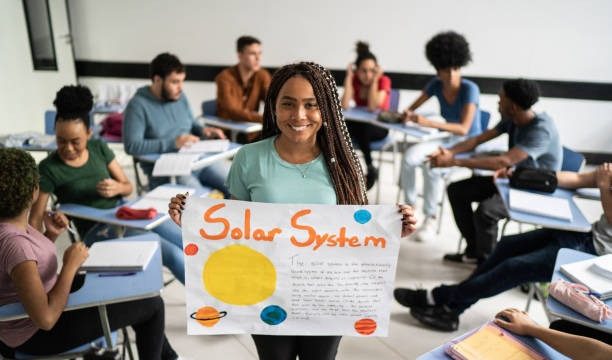
In a world that often feels hurried and chaotic, it’s refreshing to see the quiet emergence of bright minds committed to fostering creativity, innovation, and compassion.
These individuals, whether they are children, teenagers, or young adults, are the architects of tomorrow, and their journeys are often filled with wonder and potential.
Encouraging this blossoming of intellect and spirit can be one of the most rewarding endeavors one can embark upon.
A nurturing environment is essential for young minds to thrive. It begins at home, where parents and guardians play a pivotal role in shaping the attitudes and beliefs of their children. An open dialogue, filled with curiosity and encouragement, can ignite a passion for learning. This is where the seeds of creativity can take root, allowing young ones to explore their interests freely. Rather than focusing solely on traditional academic achievements, it’s vital to celebrate the diverse talents and passions that each child possesses.
In schools, educators hold the key to unlocking potential. A progressive educational system that values creativity alongside academic rigor can provide a holistic approach to learning. When teachers foster an atmosphere of exploration and critical thinking, students are more likely to engage deeply with their subjects. The incorporation of arts, sciences, and humanities into the curriculum allows for a richer educational experience. This blend not only cultivates knowledge but also nurtures emotional intelligence, instilling empathy and understanding in the next generation.
As we observe the world around us, it becomes clear that the brightest minds often emerge from collaboration. Group projects and teamwork teach invaluable lessons about communication, compromise, and shared goals. These experiences can be transformative, revealing the beauty of diverse perspectives. Children learn that their ideas can flourish in a supportive environment, and that collaboration often leads to more innovative solutions. In this way, young minds not only grow individually but also learn the significance of community.
A small shift toward balance can also be incredibly beneficial. In a society that frequently glorifies overachievement, it’s essential to remind our young people that it’s okay to pause. Encouraging mindfulness practices, such as meditation or simple breathing exercises, can help cultivate a sense of calm amidst the noise. When children learn to manage stress and maintain emotional balance, they are better equipped to face challenges with resilience and grace. This balance is not merely a tool for academic success; it is a fundamental life skill that will serve them well into adulthood.
The importance of play cannot be overstated either. Engaging in play allows children to express themselves, develop social skills, and explore their creativity in a safe environment. Whether it’s through imaginative games, sports, or the arts, play is a vital part of childhood development. It provides an outlet for emotions and a canvas for ideas, fostering a sense of joy that is essential for healthy growth. In this playful realm, young minds can experiment without fear of failure, learning that mistakes are simply stepping stones on the path to success.
As they journey through life, young individuals will encounter various role models who inspire and guide them. These figures can be parents, teachers, community leaders, or even public figures whose values resonate with them. The impact of mentorship cannot be underestimated; having someone to look up to can enhance a young person’s self-esteem and motivation. When mentors share their stories, including their struggles and triumphs, they humanize the experience of growth and learning. This connection can spark a fire within a young mind, encouraging them to pursue their dreams with vigor.
In today’s digital age, the landscape of learning has evolved dramatically. Young minds are increasingly exposed to technology, which can be both a blessing and a challenge. The internet offers a wealth of information and opportunities for creativity, but it also requires discernment and balance. Encouraging healthy tech habits is crucial. Teaching young people to navigate the online world mindfully can empower them to harness technology as a tool for learning and creativity, rather than a distraction. This digital literacy will be essential for their future success in an ever-changing job market.
The arts play a significant role in shaping bright minds as well. Whether through painting, music, dance, or writing, artistic expression allows individuals to communicate their thoughts and emotions in unique ways. Engaging with the arts fosters creativity, enhances critical thinking, and builds confidence. When young people have opportunities to explore their artistic sides, they often find their voices and learn to articulate their ideas effectively. This self-expression is a vital part of their development, as it connects them to their inner selves and the world around them.
As we nurture the bright minds in the making, it’s important to celebrate their individuality. Each child is a unique tapestry of experiences, dreams, and aspirations. By recognizing and honoring these differences, we can create an environment where everyone feels valued and empowered. Encouraging young people to explore diverse interests can help them develop a well-rounded perspective on life. It’s through this exploration that they often find their true passions, leading to a more fulfilling and purposeful life.
In conclusion, fostering bright minds is a collective endeavor that requires patience, love, and understanding. As we nurture the next generation, let us remember the importance of creativity, balance, and community. By creating spaces where young people feel safe to explore, express, and learn, we pave the way for a future filled with innovation and compassion. The bright minds of today will undoubtedly shape the world of tomorrow, and it is our privilege to support them on their journey.