In a world where technology often takes center stage, the value of hands-on skills can sometimes be overlooked.
Yet, engaging in activities that require manual dexterity and creativity can profoundly influence the way we think and approach life.
These skills not only nurture our practical abilities but also cultivate a mindset that embraces patience, perseverance, and problem-solving.
The beauty of hands-on skills lies in their ability to ground us. Whether it’s crafting a piece of furniture, sewing a garment, or even gardening, the tactile nature of these activities invites us into a state of presence. As our hands work, our minds often quiet down, allowing space for reflection and creativity. This shift from the fast-paced digital world to a more tactile experience encourages a deeper connection with our surroundings and ourselves.
Exploring creativity through craftsmanship can unlock unexpected pathways in our thinking. When we engage in crafting, we learn to visualize our ideas and translate them into tangible forms. This process fosters innovation, as we often encounter challenges that require us to think outside the box. For instance, while trying to create a piece of art, we might experiment with different materials and techniques, leading us to new solutions we hadn’t considered before. This kind of creative problem-solving extends beyond the craft itself; it seeps into our everyday lives, encouraging us to approach challenges with a fresh perspective.
The act of building something with our own hands can also instill a sense of accomplishment. Each completed project, no matter how small, serves as a reminder of our capabilities. This boost in confidence can transform the way we perceive our skills and potential. Instead of feeling overwhelmed by tasks or challenges, we begin to see them as opportunities for growth. Every stitch sewn, every board sanded, and every plant nurtured becomes a testament to our ability to create and adapt.
A gentle shift toward mindfulness is another profound benefit of engaging in hands-on skills. Many of these activities require a level of focus that pulls us away from distractions, allowing us to immerse ourselves fully in the moment. For instance, knitting or woodworking can serve as a form of meditation, where the repetitive motions help to calm the mind. This practice of being present not only enhances our enjoyment of the activity but also fosters a sense of peace that can carry over into other areas of our lives.
Moreover, hands-on skills can nurture our connection with nature and the physical world around us. Gardening, for example, teaches us about the cycles of life and the importance of nurturing growth. As we dig our hands into the soil and tend to our plants, we develop a deeper appreciation for the environment. This connection can inspire a more sustainable mindset, prompting us to make choices that honor our planet.
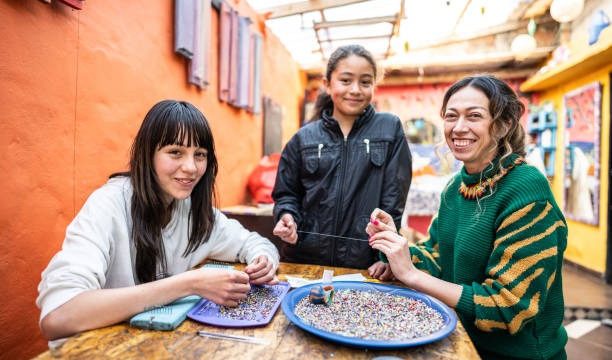
Learning a hands-on skill can also create a sense of community. Whether through classes, workshops, or informal gatherings, engaging in these activities often brings people together. Sharing knowledge, tools, and experiences fosters relationships built on mutual interests and support. The connections we form while learning and creating can enrich our lives, reminding us of the importance of collaboration and shared experiences.
As we delve into hands-on skills, we often find that they teach us valuable life lessons. Patience is one of the most significant qualities we can cultivate. Many crafts require time and practice to master, and the journey is often filled with setbacks and learning moments. Embracing this process teaches us that growth is not always linear. Rather, it’s a winding path filled with trials and triumphs that contribute to our overall development.
Another essential lesson is the value of resourcefulness. When we work with our hands, we frequently encounter unexpected obstacles. Perhaps a project doesn’t turn out as planned, or we run out of materials. These moments challenge us to think creatively and find alternative solutions. This ability to adapt and innovate is a mindset that can be applied not just to crafting, but to our everyday lives, encouraging resilience in the face of change.
The notion of slowing down is also important in our fast-paced world. Many hands-on skills invite us to take a step back and savor the moment. In a time where instant gratification is the norm, learning to appreciate the process can be incredibly rewarding. This shift allows us to find joy in the journey, rather than solely focusing on the end result.
As we explore the impact of hands-on skills on our thinking, it becomes clear that these activities offer more than just a way to fill our time. They provide a pathway to personal growth, community connection, and a deeper understanding of ourselves and the world around us. By embracing the tactile and creative aspects of life, we can transform our mindset, fostering a sense of purpose and fulfillment.
Incorporating hands-on skills into our routines can be a gentle shift toward a more balanced and enriched life. Whether you choose to pick up a new craft, start a garden, or engage in any other hands-on activity, the benefits extend far beyond the skill itself. As you immerse yourself in the experience, you may find that it changes not just the way you think but also the way you engage with the world.
So, take a moment to explore the possibilities that hands-on skills offer. Let your creativity flow, embrace the process, and discover the profound impact it can have on your life. The journey is waiting, and all it requires is a willingness to dive in and create.