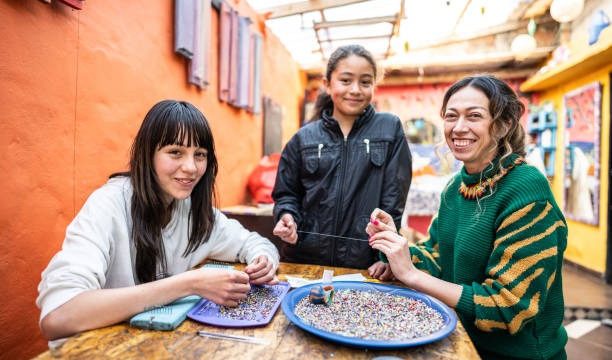
In a world bustling with technology and rapid advancements, there’s an undeniable charm in the simplicity of learning practical skills.
Whether it’s cooking a hearty meal, fixing a leaky faucet, or tending to a garden, these skills not only enhance our daily lives but also enrich our sense of self.
The joy of learning practical skills lies not just in the outcomes, but in the journey itself—one that invites us to embrace creativity, cultivate mindfulness, and foster a deeper connection with our surroundings.
One of the most rewarding aspects of acquiring practical skills is the sense of accomplishment that follows. Imagine standing in your kitchen, the aroma of freshly baked bread wafting through the air. The process of kneading dough, watching it rise, and finally savoring the warm, crusty loaf is a tactile experience that engages all our senses. It’s not merely about satisfying hunger; it’s about creating something with your own hands, a tangible reflection of your effort and care. This sense of achievement can be a powerful antidote to the stresses of modern life, reminding us that we are capable of crafting our own realities.
Learning practical skills can also serve as a delightful escape from the digital world. In a time when screens dominate our attention, immersing ourselves in hands-on activities can be refreshing. Consider the rhythmic motion of gardening: planting seeds, weeding, and nurturing plants to life. This process invites us to slow down and connect with nature, offering a gentle reminder of the beauty that exists beyond our devices. The simple act of tending to a garden can ground us, providing a peaceful sanctuary where we can reflect and recharge.
As we dive into the world of practical skills, we discover a treasure trove of opportunities for creativity. Take up woodworking, for instance. The transformation of raw materials into functional pieces of art is a process that fuels imagination. Each cut and join becomes a statement of personal expression, allowing us to infuse our unique style into everyday objects. Whether it’s crafting a simple shelf or a beautifully carved chair, woodworking encourages us to tap into our creative instincts, fostering a sense of pride in our work.
Cooking, too, is an art form that invites creativity into our lives. Experimenting with flavors, textures, and colors can be a joyful exploration. The kitchen becomes a canvas where we can express our culinary vision, turning simple ingredients into delightful dishes. Sharing a meal with loved ones—whether it’s a casual breakfast or a festive dinner—deepens our connections and creates cherished memories. The joy of learning to cook is not just about feeding ourselves; it’s about nourishing relationships and celebrating togetherness.
A small shift toward balance can emerge through the process of learning practical skills. In our fast-paced lives, we often find ourselves juggling numerous responsibilities, leaving little room for personal growth. Dedicating time to explore new skills can create a sense of equilibrium, allowing us to step back and reassess our priorities. By investing time in activities that fulfill us, we cultivate a deeper understanding of what truly brings us joy. This balance is essential for our well-being, as it fosters a sense of purpose and satisfaction.
Moreover, learning practical skills can foster a sense of community. As we engage in activities like knitting, gardening, or DIY projects, we often find ourselves connecting with others who share our interests. Local workshops, community gardens, or crafting circles provide opportunities to bond with like-minded individuals, creating a supportive network that encourages growth and exploration. These connections remind us that we are not alone on our journey; there are others who find joy in the same pursuits, ready to share their experiences and knowledge.
In addition to building community, practical skills can empower us to become more self-sufficient. Learning how to repair items around the house or maintain our vehicles reduces reliance on external services, fostering a sense of independence. This empowerment can extend beyond the practical realm, influencing our confidence in other areas of life. When we tackle challenges head-on, whether it’s fixing a broken appliance or learning a new recipe, we cultivate resilience and a belief in our ability to navigate life’s complexities.
As we explore the joy of learning practical skills, it’s important to approach this journey with an open heart and a willingness to embrace imperfection. The process of learning is often filled with trial and error, and that’s perfectly okay. Each misstep is an opportunity for growth, a chance to refine our techniques and deepen our understanding. By allowing ourselves to be vulnerable in our learning process, we not only develop our skills but also foster a sense of compassion for ourselves and others.
In a world that often emphasizes speed and efficiency, taking the time to learn practical skills can be a transformative experience. It invites us to slow down, reconnect with our surroundings, and rediscover the joy in the simple act of creation. Whether we find solace in the kitchen, satisfaction in the garden, or fulfillment in crafting, each skill we acquire enriches our lives in meaningful ways.
Ultimately, the joy of learning practical skills is about more than just the skills themselves; it’s about the journey of self-discovery, creativity, and connection. As we embrace these experiences, we open ourselves to a world of possibilities, allowing us to live more fully and authentically. So, whether you’re picking up a new hobby or refining an old one, remember to savor each moment. After all, the true joy lies not just in the destination, but in the beautiful process of learning and growing.