In our daily lives, we often find ourselves surrounded by angles, whether we notice them or not.
From the corner of a room to the way we position our bodies during yoga, angles play a vital role in shaping our physical world.
While the concept of measuring angles may seem daunting, approaching it with a gentle mindset can transform it into a delightful exploration rather than a chore.
Understanding angles begins with a simple observation: they are formed when two lines meet at a point. This point, known as the vertex, is where the magic happens. The space between the two lines is what we refer to as an angle. As we navigate through life, we encounter various types of angles, each with its own unique characteristics.
A small shift toward balance
Angles can be classified into different categories based on their measurements. A right angle, for instance, measures exactly 90 degrees and is often found in the corners of squares and rectangles. Acute angles are those that measure less than 90 degrees, while obtuse angles exceed 90 degrees but are less than 180 degrees. Understanding these distinctions can help us appreciate the beauty of angles in our environment, from architecture to nature.
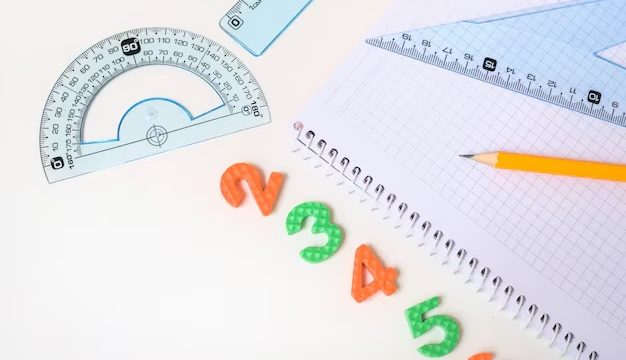
Measuring angles can be done using a variety of tools, the most common being a protractor. This simple instrument allows us to quantify the angle’s size, making it easier to understand its significance. But measuring angles doesn’t have to feel like a strict academic exercise. Instead, consider it a way to connect with the world around you. Next time you find yourself in a café, take a moment to observe the angles created by the furniture. How do they influence the space? Do they create a sense of comfort or openness?
As we delve deeper into the world of angles, it’s interesting to note how they relate to movement and balance in our bodies. In practices such as yoga or dance, angles play a crucial role in our alignment and posture. Each pose or movement can be viewed through the lens of angles, allowing us to cultivate a greater awareness of our physicality. This awareness can lead to improved balance and stability, promoting a sense of well-being both physically and mentally.
Finding harmony in angles
To further embrace the concept of angles, consider incorporating some playful activities into your routine. For instance, while walking in a park, take a moment to observe the angles formed by the branches of trees or the petals of flowers. This mindful observation can enhance your appreciation for nature and its intricate designs.
Another enjoyable way to explore angles is through art. Engage in activities such as drawing or painting, where you can experiment with different angles to create depth and perspective. Allow your creativity to flow as you discover how angles influence the shapes and forms you create. This process can be incredibly therapeutic, offering a gentle escape from the hustle and bustle of daily life.
In addition to art, cooking can also serve as an avenue to explore angles. When chopping vegetables, consider the angles created by your knife and the cutting board. Not only does this enhance your culinary skills, but it also fosters a deeper connection to the food you prepare. As you chop, think about the angles and shapes of the ingredients, appreciating their beauty before they become part of a delicious meal.
Fostering a sense of curiosity
As we navigate the world of angles, it’s important to approach the subject with curiosity rather than pressure. Instead of viewing angle measurement as a task to check off a list, treat it as an opportunity for exploration. Engage with your surroundings, and allow your mind to wander as you notice the angles that exist in everyday life.
Consider keeping a journal where you document your observations about angles. Whether it’s a sketch of a building or a description of the angles in a sunset, this practice can encourage you to slow down and appreciate the beauty around you. It can also serve as a reminder that angles, much like life, come in various forms and can be perceived differently depending on our perspective.
In moments of stillness, take a deep breath and reflect on how angles influence your own life. Are there areas where you feel out of balance? Perhaps you can use the concept of angles to visualize a shift toward harmony. Imagine your body aligning with the angles of your surroundings, creating a sense of equilibrium that resonates within you.
A journey of discovery
Ultimately, the journey of understanding angles is one of discovery. It’s about finding joy in the little things and acknowledging the beauty that exists in the world. By adopting a friendly approach to angle measurement, we can cultivate a deeper connection to our environment and ourselves.
So, the next time you encounter an angle—be it in nature, art, or your daily routine—take a moment to appreciate its significance. Embrace the wonder that angles bring, and allow them to inspire a sense of balance and creativity in your life. After all, angles are not just mathematical concepts; they are a reflection of the world around us, inviting us to explore, learn, and grow.