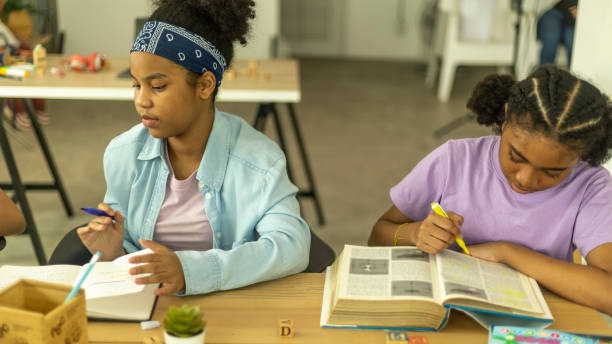
Middle school can be a whirlwind of change, a time when young adolescents navigate the often tumultuous waters of self-discovery.
As they transition from the carefree days of elementary school into the more complex social dynamics of adolescence, many students find themselves faced with challenges that test their resilience, character, and personal strengths.
It’s a crucial period for developing not just academic skills, but also the emotional and social tools that will serve them well throughout their lives.
Finding personal strength in middle school often begins with understanding oneself. This self-awareness can be cultivated through various experiences, from participating in school clubs to engaging in sports. Each of these activities provides opportunities for students to explore their interests, connect with peers, and discover what makes them unique. The journey of self-discovery can be exhilarating and daunting, as it often involves stepping outside of comfort zones. However, embracing these moments can lead to profound personal growth.
A small shift toward balance can make a significant difference in how students perceive their challenges. Middle school is often filled with pressures, whether from academic expectations or social interactions. Learning to find balance means recognizing when to push oneself and when to take a step back. Encouraging students to listen to their inner voice can help them navigate this delicate equilibrium. It’s about understanding that it’s perfectly okay to ask for help, to lean on friends, or even to take a moment for self-care when things feel overwhelming.
As friendships deepen and shift during these formative years, students often discover that building strong connections is a vital aspect of their personal strength. Supportive relationships with peers can provide a safety net, offering encouragement during tough times and celebrating successes, big or small. These connections can also help cultivate empathy and understanding, qualities that are essential not only in middle school but throughout life. Engaging in open conversations about feelings and experiences can foster a sense of community, reminding students that they are not alone in their struggles.
In addition to social interactions, the academic environment plays a significant role in shaping personal strength. Middle school often introduces students to new subjects and concepts that challenge their thinking and push them to expand their knowledge. Embracing the learning process—complete with mistakes and setbacks—can help students build resilience. It’s important for them to understand that failure is not a reflection of their worth but rather a stepping stone toward success. Encouraging a growth mindset, where challenges are viewed as opportunities for development, can empower students to face obstacles with confidence.
As students navigate the complexities of middle school, they also begin to understand the importance of setting personal goals. Whether it’s striving for better grades, improving a skill in a sport, or simply becoming a better friend, having clear objectives can provide motivation and direction. This practice not only helps in cultivating discipline but also reinforces the idea that personal strength is often about perseverance and commitment. Celebrating the small victories along the way can further enhance this sense of achievement and self-worth.
Mindfulness practices can also play a role in fostering personal strength. Simple techniques, such as deep breathing or reflective journaling, can help students manage stress and stay grounded amid the chaos. These practices encourage a greater awareness of one’s thoughts and emotions, allowing students to respond to challenges with a calm and thoughtful approach. In a world that often feels fast-paced and overwhelming, taking a moment to pause and reflect can be incredibly empowering.
The role of teachers and mentors in this journey cannot be understated. When educators create a supportive and inclusive classroom environment, they help students feel valued and understood. This sense of belonging can significantly enhance a student’s confidence and willingness to take risks. Encouraging open dialogue about personal strengths and challenges can foster a culture of acceptance and growth. When students see their teachers as allies in their journey, they are more likely to embrace their own potential.
As the school year progresses, students will inevitably face obstacles, whether they be academic hurdles, social dilemmas, or personal issues. It’s during these times that their personal strength is truly tested. Encouraging resilience means teaching students to view challenges as opportunities for growth rather than insurmountable barriers. This shift in perspective can help them develop a more positive outlook on life, equipping them with the tools to navigate future challenges with grace.
In conclusion, middle school is a transformative time that shapes not only academic skills but also the personal strengths that will carry students into adulthood. By fostering self-awareness, nurturing supportive relationships, embracing challenges, and cultivating resilience, young adolescents can emerge from this period with a deeper understanding of themselves and their capabilities. It’s a journey filled with ups and downs, but through it all, the lessons learned can lay a strong foundation for a fulfilling and empowered future. Encouraging students to embrace their unique paths and celebrate their growth can make all the difference in this pivotal stage of life.