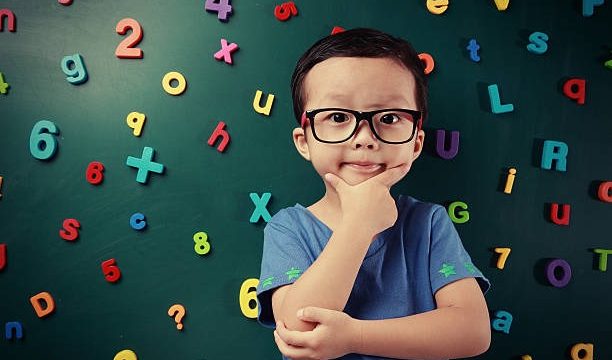
Music has a unique way of weaving itself into the fabric of our lives, often acting as a gentle backdrop to our daily routines.
As we hum along to our favorite tunes or sway to the rhythm of a catchy melody, we may not realize the profound influence music can have, especially in the world of early childhood education.
One of the most delightful ways to teach young children letters and sounds is through the enchanting medium of music.
The connection between music and language development is both natural and powerful. From the time we are infants, we respond to musical sounds, and as we grow, this connection only deepens. When we introduce letters and sounds through songs, we create an engaging learning environment that captures children’s attention and inspires them to explore language.
A gentle introduction to the world of learning through song can start with familiar tunes. Children often find joy in repetition, and music provides a perfect opportunity for this. Simple songs with clear lyrics can help little ones associate sounds with letters. For example, melodies that emphasize the beginning sounds of words can create a connection between the sound of a letter and its corresponding letter. Think of the classic “A, B, C” song—this timeless tune not only teaches the alphabet but also instills a sense of rhythm and flow in learning.
As we explore this joyful approach, it becomes clear that incorporating music into letter and sound education can make the experience feel less like a chore and more like a celebration. Children are naturally drawn to music, and when they engage with it, they are often more willing to participate and learn. Singing letters and sounds can transform the process into an enjoyable game, allowing children to express themselves freely.
Creating a musical atmosphere at home or in a learning environment can be as simple as playing soft background music while reading books or engaging in activities that promote literacy. Select songs that incorporate letters and sounds, and let the melodies blend with your everyday routines. This gentle approach invites children to absorb information without the pressure of formal instruction.
The beauty of using music to teach letters and sounds lies in its versatility. You can adapt familiar tunes to incorporate new vocabulary, crafting your own lyrics that highlight specific letters or sounds. For instance, to teach the letter “S,” you might create a playful rhyme about a silly snake sliding through the grass. This not only reinforces the sound of the letter but also sparks imagination and creativity in young minds.
Storytelling can also be enhanced through song. Many classic children’s stories have been transformed into musical adaptations, and these can serve as wonderful tools for teaching letters and sounds. The rhythmic nature of songs can help children remember the sequence of events in a story, making it easier for them to recall and articulate details. When they hear a story set to music, they are likely to engage more deeply, making connections between the narrative and the letters that form the words.
As we delve deeper into this musical journey, it’s essential to recognize the role of movement in learning. Incorporating dance or simple actions while singing can further reinforce the connection between sounds and letters. Movement enhances memory retention, and when children physically engage with the music, they are more likely to remember the sounds associated with each letter. Whether it’s clapping hands, tapping feet, or swaying to the rhythm, these actions can create a multi-sensory experience that enriches their learning process.
In addition to traditional songs, exploring different genres of music can also be beneficial. World music, classical, or even contemporary genres can introduce children to a variety of sounds and rhythms, broadening their auditory experiences. Each style can offer unique opportunities to explore language, as different cultures have their own ways of expressing ideas through song. This not only teaches letters and sounds but also fosters an appreciation for diversity in language and music.
Moreover, technology can play a role in this melodious journey. There are numerous educational apps and online resources designed to engage children through music. These platforms often combine interactive elements with catchy tunes, making learning an exciting adventure. As with any tool, the key is to find resources that resonate with your child, ensuring that the experience remains joyful and enriching.
As we nurture a love for letters and sounds through music, it’s important to remember that every child learns at their own pace. The goal is not just to teach but to inspire curiosity and a lifelong love for language. Celebrate the small victories—whether it’s recognizing a letter, singing along to a favorite song, or even creating their own melodies. Each step taken in this musical journey contributes to their overall development and confidence in using language.
In this harmonious blend of music and learning, we create a space where children can thrive. By embracing the joy of song, we allow the beauty of language to unfold in a way that feels natural and effortless. The rhythms and melodies become companions in their educational journey, guiding them toward a deeper understanding of letters and sounds.
As we reflect on the impact of music in our lives, it becomes clear that it is not just a form of entertainment but a powerful educational tool. By teaching letters and sounds through music, we invite children into a world of creativity, expression, and joy. In doing so, we not only enrich their learning experiences but also foster a lifelong appreciation for the magic of language.