Helping Students Build Confidence and Self-Esteem
In the journey of education, confidence and self-esteem play pivotal roles in shaping a student’s experience.
These qualities not only influence academic performance but also affect social interactions and personal growth.
As educators, parents, and mentors, we can nurture these traits in students, helping them to flourish in an environment that encourages exploration and self-discovery.
A nurturing atmosphere can make all the difference. When students feel safe and supported, they are more likely to take risks, engage in classroom discussions, and express their ideas. This sense of safety fosters a willingness to learn from mistakes, which is essential for building resilience and confidence. Creating a classroom culture where every voice is valued can empower students to share their thoughts without fear of judgment.
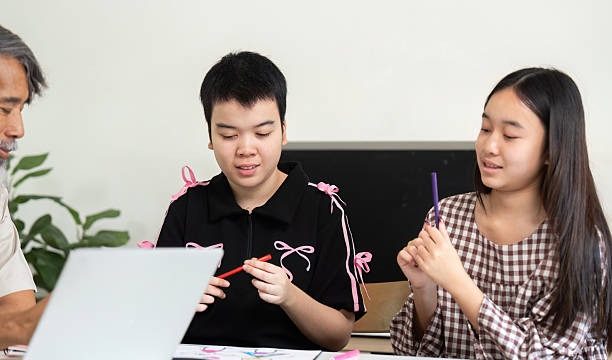
Encouraging self-expression is a gentle yet powerful way to boost self-esteem. Whether through writing, art, or oral presentations, providing various avenues for students to express themselves allows them to discover their unique voices. Celebrating their individuality, whether it’s through showcasing their artwork or encouraging them to share their stories, reinforces their sense of worth. This validation can significantly enhance their confidence, reminding them that their contributions matter.
Another key aspect of building self-esteem is promoting a growth mindset. Encouraging students to view challenges as opportunities for growth rather than obstacles can transform their approach to learning. When they understand that effort and perseverance lead to improvement, they are more likely to embrace difficulties rather than shy away from them. This shift in perspective can empower students to tackle new subjects and projects with enthusiasm, knowing that each step they take is a part of their learning journey.
The power of positive reinforcement cannot be underestimated. A simple compliment or acknowledgment of effort can significantly impact a student’s self-perception. Rather than focusing solely on grades or outcomes, highlighting the process and the hard work that goes into achieving results can encourage students to take pride in their efforts. By fostering an environment where effort is recognized and celebrated, we can help students develop a healthy sense of self-worth independent of external validation.
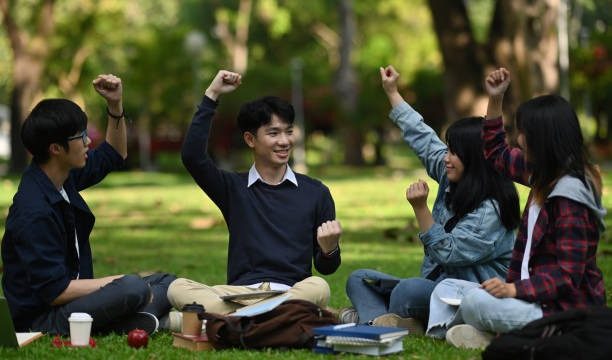
Creating opportunities for collaboration can also enhance students’ confidence. Working together on projects or assignments encourages communication and teamwork, allowing students to learn from one another. These interactions can help students realize that they are not alone in their struggles and that everyone has unique strengths to contribute. This sense of community can foster friendships and support networks that further reinforce their self-esteem.
Incorporating activities that promote mindfulness can also be beneficial. Practices such as meditation, journaling, or simple breathing exercises can help students manage stress and anxiety, leading to increased self-awareness. When students take time to reflect on their thoughts and feelings, they can better understand their strengths and areas for growth. This self-awareness is crucial for building confidence, as it allows them to recognize their achievements and set realistic goals for themselves.
Encouraging goal-setting is another effective way to help students build confidence. When they set achievable, incremental goals, they can experience the satisfaction of accomplishment. Celebrating these small victories reinforces their belief in their abilities and motivates them to continue striving for more. This process helps students to see themselves as capable individuals who can achieve their aspirations, further enhancing their self-esteem.
It’s also essential to provide constructive feedback. While praise is important, students must also learn how to improve. Offering feedback in a supportive manner helps students understand that making mistakes is a part of learning. When they receive guidance on how to enhance their skills, they can view challenges as stepping stones rather than setbacks. This approach not only builds their confidence but also equips them with the tools they need to succeed in the future.
Encouraging involvement in extracurricular activities can also have a profound impact on a student’s self-esteem. Whether it’s joining a sports team, participating in a club, or engaging in community service, these activities provide opportunities for students to explore their interests and develop new skills. The friendships and experiences gained through these pursuits often lead to increased confidence, as students find a sense of belonging and accomplishment outside of the classroom.
As we strive to help students build confidence and self-esteem, it’s important to remember that each child is unique. What works for one student may not resonate with another. Taking the time to understand their individual needs and personalities can help us tailor our approach. By fostering open communication, we can create a supportive environment where students feel comfortable expressing their thoughts and concerns.
In the end, fostering confidence and self-esteem in students is not a one-time effort but a continuous journey. It requires patience, understanding, and a commitment to nurturing their growth. As we guide them through their educational experiences, we have the opportunity to instill in them a belief in their abilities and a sense of self-worth that will carry them far beyond the classroom.
By creating an environment that emphasizes support, encouragement, and personal growth, we can help students cultivate the confidence they need to navigate life’s challenges. As they learn to believe in themselves, they will not only succeed academically but also develop into resilient, self-assured individuals ready to embrace the world. This holistic approach to education is not just about academic success; it’s about nurturing well-rounded individuals who can thrive in all aspects of life.