In a world that’s increasingly interconnected, the ability to communicate effectively has become more valuable than ever.
Public speakers, whether they are motivational figures, educators, or industry leaders, have a unique talent for engaging their audiences and conveying their messages with clarity and passion.
Observing and learning from these skilled communicators can offer valuable insights, not only into the art of speaking but also into the nuances of human connection.
A gentle introduction to the art of speaking
When we think about public speakers, we often envision grand stages and large audiences. However, the essence of public speaking transcends the physical setting. It is about sharing ideas, telling stories, and connecting with others on a deeper level. Many of us can recall a time when a speaker’s words resonated with us, sparking emotions or igniting a new perspective. These moments remind us of the power of communication and the potential it has to inspire change.
As we explore the world of public speaking, we can glean valuable lessons from those who have mastered this craft. Their techniques and experiences can serve as a guide for anyone looking to enhance their own communication skills, whether in a formal setting or in everyday conversations.
Finding your authentic voice
One of the most significant lessons we can learn from accomplished public speakers is the importance of authenticity. Great speakers have a way of being genuine, allowing their true selves to shine through their words. This authenticity creates a connection with the audience, making them feel seen and understood. When a speaker speaks from the heart, their passion becomes palpable, and it draws listeners in.
To cultivate your authentic voice, take time to reflect on your values and beliefs. What topics resonate with you? What experiences have shaped your perspective? By understanding your own story, you can share it in a way that feels natural and relatable. Remember, your unique experiences and insights are what set you apart and can inspire others.
The power of storytelling
Stories are a timeless way to convey messages and connect with others. Public speakers often weave narratives into their presentations, making complex ideas more accessible and engaging. A well-told story can evoke emotions, create vivid imagery, and leave a lasting impression. When we share our experiences in story form, we invite others to walk alongside us, fostering empathy and understanding.
Consider how you can incorporate storytelling into your own communication. Whether you’re sharing a personal anecdote or illustrating a point with a relevant example, stories can make your message more memorable. Practice finding the heart of your narrative—what lesson or insight do you want to share? By honing your storytelling abilities, you can enhance your connection with your audience, no matter the size.
Embracing vulnerability
Another lesson from public speakers is the courage to be vulnerable. Many successful speakers share their struggles, failures, and fears, allowing their audience to see their humanity. This vulnerability can be incredibly powerful, as it creates a safe space for others to share their own experiences and challenges. When speakers let down their guard, they inspire others to do the same, fostering a sense of community and support.
In your own communication, consider how embracing vulnerability can enhance your connections. Sharing your challenges or uncertainties can create an atmosphere of trust and openness. It reminds us that we are all on a journey, navigating life’s complexities together. By being honest about our struggles, we can encourage others to share their own stories, enriching the conversation and deepening relationships.
The importance of body language
While words are undoubtedly important, the way we present ourselves physically also plays a crucial role in communication. Public speakers often master the art of body language, using gestures, facial expressions, and posture to enhance their message. A warm smile or a confident stance can convey enthusiasm and engagement, while crossed arms or averted eyes may suggest discomfort or disinterest.
As you work on your communication skills, pay attention to your body language. Are you making eye contact? Are your gestures open and inviting? Being mindful of how you present yourself can significantly impact how your message is received. Remember that non-verbal cues often speak louder than words, so strive for alignment between your message and your physical presence.
Practicing active listening
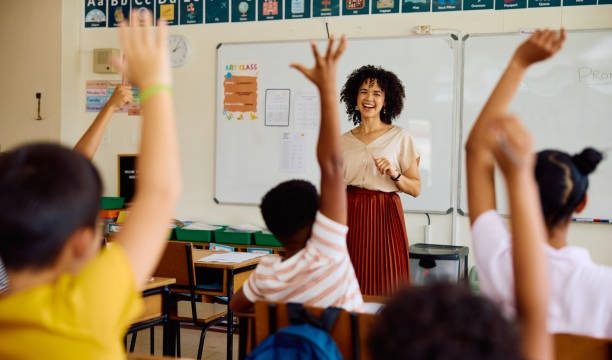
Effective communication is a two-way street. While public speaking often focuses on sharing information, it is equally important to listen actively. Great speakers are not only adept at conveying their ideas but also at engaging with their audience. They ask questions, invite feedback, and genuinely listen to the responses. This creates a dynamic exchange that enriches the conversation.
In your own interactions, practice the art of active listening. Make a conscious effort to be present in the moment, setting aside distractions to fully engage with the person speaking. Show that you value their perspective by asking follow-up questions and reflecting on what they’ve shared. This not only deepens your understanding but also fosters a sense of connection and respect.
A small shift toward balance
As we navigate the world of public speaking and communication, it’s essential to remember that balance is key. While it is beneficial to learn from others, it is equally important to find your own style and approach. Embrace the lessons that resonate with you, but also allow space for your individuality to shine through. The beauty of communication lies in its diversity—each voice adds a unique note to the symphony of human experience.
Learning from public speakers is an ongoing journey. By observing their techniques and embracing their lessons, we can enhance our own communication skills and deepen our connections with others. Whether you find yourself on a stage or in a casual conversation, remember that every interaction is an opportunity to share, connect, and grow. In a world that thrives on connection, let us celebrate the art of communication and the power it holds to enrich our lives.