In the vibrant tapestry of campus life, student clubs play a pivotal role.
They are not just a way to spend time outside of classes; they are vital incubators for growth, creativity, and, perhaps most importantly, problem-solving abilities.
When students come together to pursue shared interests, they embark on a journey that cultivates skills that will serve them well beyond their college years.
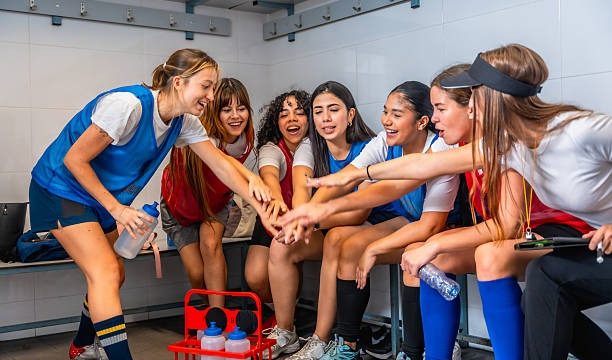
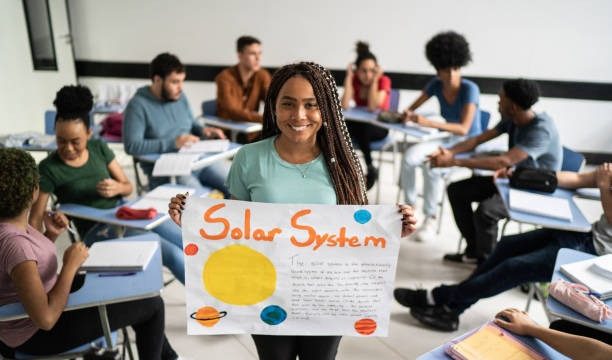
The essence of a student club lies in its diversity. Each member brings unique experiences, perspectives, and skills to the table, creating a rich environment for collaboration. This diversity fosters an atmosphere where ideas can flourish, and challenges can be approached from multiple angles. Whether it’s a debate club, a sustainability group, or an arts collective, the common thread is the opportunity to tackle issues together. In this space, students learn to listen, negotiate, and synthesize different viewpoints, which are essential components of effective problem-solving.
In many ways, student clubs mirror the real world. Just like in a professional setting, members must work together, often under time constraints and limited resources. This dynamic encourages students to think critically and creatively. For instance, consider a student-led project to organize a community event. The group must identify their goals, allocate responsibilities, and navigate unexpected challenges, such as budget limitations or logistical hurdles. Through this process, they learn to brainstorm solutions collaboratively, weigh the pros and cons of various approaches, and adapt their strategies as needed.
Collaboration is not always smooth sailing. Disagreements are bound to arise, and how students handle these conflicts is crucial. In a supportive club environment, students have the chance to practice patience and empathy. They learn that differing opinions can lead to better outcomes when approached with respect and an open mind. This experience not only enhances their interpersonal skills but also builds resilience—the ability to bounce back from setbacks and maintain focus on collective goals.
A small shift toward balance can often be observed in how students begin to approach problem-solving. Initially, they may feel pressured to find quick fixes or to assert their opinions forcefully. However, as they engage more deeply in club activities, they often discover the value of taking a step back and evaluating the situation holistically. This shift allows them to become more strategic thinkers, able to break down complex problems into manageable parts.
Another remarkable aspect of student clubs is the emphasis on initiative and leadership. Members often take turns leading projects or discussions, which provides invaluable opportunities to hone their leadership skills. This experience teaches them how to inspire others, delegate tasks, and motivate a team toward a common objective. The ability to lead effectively is intricately linked to problem-solving; strong leaders are typically adept at identifying problems, rallying support, and driving solutions.
Moreover, the hands-on experiences gained through clubs often lead to increased confidence. When students successfully navigate challenges together, they build a sense of accomplishment that enhances their self-efficacy. This newfound confidence encourages them to tackle future problems with a proactive mindset, knowing they have the skills and support of their peers to find solutions. In this way, student clubs serve as a safe space for experimentation and learning, where mistakes are viewed as stepping stones rather than setbacks.
As students engage in various activities, they also develop a sense of purpose. Many clubs focus on social issues or community service, which can deepen their understanding of the world around them. By working together to address real-world challenges, students not only strengthen their problem-solving skills but also foster a sense of responsibility and empathy. They learn to consider the broader implications of their actions and to approach problems with a mindset geared toward positive impact.
The connections formed within student clubs can have lasting effects. The friendships and networks created in these environments often extend beyond college, leading to collaborations in future endeavors. Alumni may find themselves reaching out to former club members for professional advice or partnership opportunities. These relationships are built on a foundation of shared experiences and mutual respect, which can be incredibly valuable in navigating the complexities of life after graduation.
In essence, student clubs are more than just extracurricular activities; they are transformative experiences that shape young minds. Through collaboration, leadership, and community engagement, students develop essential problem-solving skills that will serve them well in any path they choose. They learn the importance of resilience, creativity, and teamwork—qualities that are increasingly vital in our ever-changing world.
As students embark on their journeys through college, those who embrace the opportunities presented by student clubs often emerge not only as well-rounded individuals but also as capable problem-solvers. The lessons learned in these settings can illuminate their paths, guiding them toward successful futures filled with purpose and impact. In nurturing these qualities, student clubs contribute to a richer, more dynamic society, where individuals are equipped to tackle challenges head-on and drive positive change.