In the vibrant tapestry of student life, clubs and organizations often serve as the threads that weave together diverse individuals into a cohesive community.
These student-led groups provide more than just a platform for shared interests; they foster collaboration and respect among members, creating a harmonious environment where young adults can thrive.
Finding common ground
Imagine stepping into a room filled with a mix of personalities—some are shy, others are outgoing, and a few carry a wealth of knowledge on the subject at hand. This is the essence of student clubs. Whether it’s a debate team, a cultural organization, or a volunteer group, these spaces encourage students to come together, share ideas, and collaborate on projects. The beauty lies in the diversity of thought and experience, allowing each member to contribute in ways that reflect their unique backgrounds.
When students engage in collaborative efforts, they learn to appreciate different perspectives. A debate club, for instance, not only sharpens critical thinking skills but also teaches members to respect opposing viewpoints. This practice of listening and understanding can extend far beyond the club’s activities, influencing how students interact with their peers in everyday life.
Creating a sense of belonging
One of the most profound aspects of student clubs is their ability to create a sense of belonging. In a world that can often feel isolating, these organizations provide a safe haven where individuals can express themselves freely. When students join clubs, they find camaraderie in shared passions, which fosters mutual respect and understanding.
This sense of belonging is particularly vital for students who may feel marginalized or disconnected from the larger campus community. Clubs often serve as a support system, where individuals can lean on one another during challenging times. The bonds formed in these spaces can lead to lifelong friendships and a network of support that extends well beyond college years.
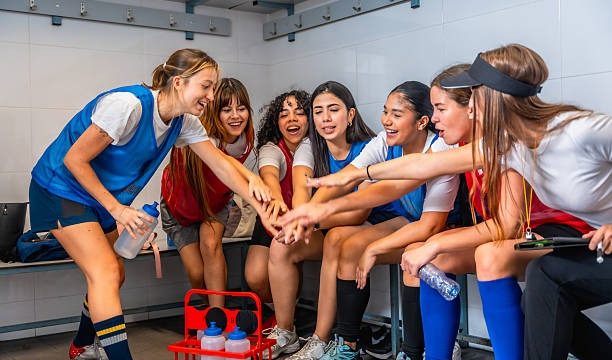
Encouraging teamwork and communication
Collaboration within student clubs often revolves around teamwork, which is essential for achieving common goals. Whether planning an event or working on a project, students must communicate effectively, delegate tasks, and offer constructive feedback. These experiences not only enhance their interpersonal skills but also teach the importance of respect in a collaborative setting.
In a successful club, every member’s voice matters. When students are encouraged to share their ideas and opinions, they learn that respect is a two-way street. Listening to others fosters an environment where everyone feels valued, which in turn encourages more open and honest communication. This cycle of respect and collaboration is fundamental in nurturing a positive atmosphere that benefits all members.
Building leadership skills
Participating in student clubs also provides invaluable opportunities for leadership development. Many clubs operate on a democratic basis, where members can take turns leading projects or initiatives. This experience empowers students to take ownership of their contributions while also learning to respect the leadership of others.
As students navigate their roles within the club, they often face challenges that require problem-solving and adaptability. These experiences teach them to approach situations with empathy and understanding, recognizing that everyone is working toward the same goal. The collaborative nature of these clubs encourages members to uplift one another, reinforcing the importance of respect in leadership.
Nurturing a culture of inclusivity
Inclusivity is a cornerstone of successful student clubs. When clubs actively promote an environment where every individual feels welcome, they lay the groundwork for collaboration and respect. This inclusivity can manifest in various ways, from actively recruiting diverse members to ensuring that all voices are heard during discussions.
By embracing diversity, clubs can tap into a wealth of ideas and perspectives, enriching their activities and fostering a culture of innovation. Students learn to appreciate the value of different backgrounds and experiences, which enhances their ability to collaborate effectively. This culture of inclusivity not only benefits the club members but also contributes to a more respectful and understanding campus environment overall.
The ripple effect beyond campus
The skills and values cultivated in student clubs often extend far beyond the campus walls. As students graduate and enter the workforce, they carry with them the lessons learned about collaboration and respect. Employers increasingly value these soft skills, recognizing that individuals who can work well with others are essential to a thriving workplace culture.
Moreover, the friendships and networks established within student clubs can lead to professional opportunities and collaborations in the future. The connections formed during these formative years can influence career paths and open doors to new experiences. The collaborative spirit fostered in student clubs can continue to flourish as graduates navigate their professional lives, ensuring that the values of respect and teamwork remain at the forefront.
A journey of growth
Ultimately, student clubs are more than just extracurricular activities; they are a journey of personal and collective growth. Through collaboration and respect, students learn not only about their chosen interests but also about the importance of community and connection. These experiences shape their character and values, preparing them for the complexities of life beyond academia.
As students engage in these enriching environments, they cultivate a sense of responsibility toward one another and their larger community. The skills they develop in student clubs—communication, teamwork, and respect—become integral parts of who they are, guiding them as they navigate the world.
In the end, the impact of student clubs transcends the events and projects they undertake. It is about the relationships built, the lessons learned, and the respect cultivated along the way. Through collaboration, students not only enhance their own lives but also contribute to a more understanding and connected world.