In a world where science often feels distant and intimidating, storytelling emerges as a delightful bridge that connects young minds to the wonders of the universe.
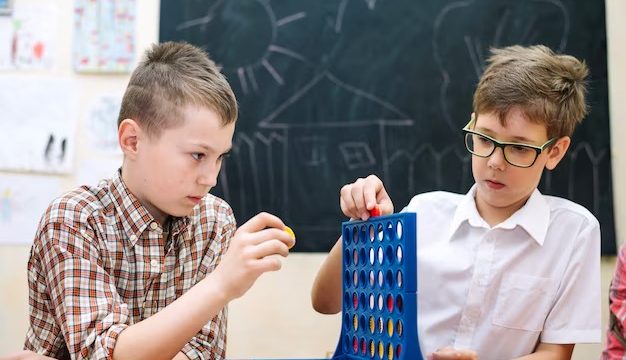
Imagine a classroom where students are not just passive listeners, but active participants in a narrative that unfolds like an adventure.
This approach transforms the often abstract concepts of science into relatable tales that spark curiosity and ignite a lifelong passion for learning.
Taking a journey through the realms of science through storytelling can be as simple as weaving a narrative around a scientific principle. For instance, consider the wonders of the water cycle. Rather than presenting it as a dry series of stages—evaporation, condensation, precipitation—why not tell the story of a raindrop named Rosie? Rosie’s adventure from the clouds, through a gentle fall to the earth, and back into a river, can captivate the imagination. Children can visualize her experiences, fostering a deeper understanding of the processes involved. By embodying scientific concepts in character-driven narratives, students can connect emotionally to the material, making it more memorable and engaging.
Creating characters that embody scientific principles can also enrich the learning experience. For example, a classroom could follow the escapades of a curious atom named Adam as he explores different elements and their unique properties. Through Adam’s eyes, students can learn about chemical reactions, the periodic table, and even the significance of atoms in the world around them. This personification of scientific concepts makes them accessible and enjoyable, encouraging students to ask questions and seek answers just like Adam does in his adventures.
Incorporating real-life scenarios into storytelling is another effective technique. When students hear about a scientist who made a groundbreaking discovery while hiking in the mountains, they are not just learning about the scientific method; they are inspired by the human experience behind it. Stories of perseverance and curiosity, of trial and error, resonate deeply and remind students that science is not just a series of facts and figures but a vibrant tapestry of exploration and discovery.
Furthermore, integrating storytelling with hands-on activities can create a holistic learning experience. After hearing Rosie’s journey through the water cycle, students can engage in a simple experiment that simulates evaporation and condensation. This practical application reinforces the narrative, providing tangible evidence of the concepts discussed. The combination of storytelling with experiential learning not only deepens understanding but also fosters a sense of wonder and excitement about the natural world.
The power of storytelling also extends beyond the classroom. Families can create a culture of science at home by sharing stories that highlight scientific achievements or historical figures. Reading biographies of scientists or fictional tales that incorporate scientific themes can spark conversations and inspire curiosity. Parents can encourage their children to ask questions about the world around them, nurturing a mindset that values exploration and inquiry.
As we explore the intersection of storytelling and science, it becomes evident that this approach is not limited to children. Adults, too, can benefit from narratives that simplify complex scientific concepts. Whether through podcasts, documentaries, or books, stories that weave scientific principles into engaging narratives can help demystify topics like climate change, genetics, or astrophysics. This accessibility fosters a greater understanding of the challenges and wonders that science presents, encouraging informed discussions in our communities.
In a broader context, storytelling can also play a crucial role in promoting scientific literacy and awareness. As we face global challenges such as climate change and public health crises, the ability to communicate scientific ideas effectively becomes paramount. Narratives that connect scientific data with real-world implications can motivate individuals and communities to take action. By framing issues within a compelling story, we can inspire collective responsibility and a sense of urgency in addressing these challenges.
Moreover, storytelling can serve as a tool for advocacy. Scientists and educators can harness the power of narrative to share their findings with the public in a way that resonates emotionally. Stories that highlight the human impact of scientific research can galvanize support for initiatives, funding, and policy changes. When people can relate to the stories behind the data, they are more likely to engage and respond.
As we embrace the art of storytelling in teaching science, it becomes clear that this approach nurtures not only knowledge but also creativity and empathy. It invites students to envision themselves as part of a larger narrative—a narrative that is continually unfolding and evolving. By creating connections between scientific concepts and the human experience, we foster a generation of thinkers who are not only well-versed in facts but also passionate about the world around them.
In conclusion, the integration of storytelling into science education offers a refreshing and effective way to engage learners of all ages. By transforming complex concepts into relatable narratives, we unlock the potential for curiosity, creativity, and critical thinking. As we continue to explore the wonders of science, let us remember the power of a good story—a story that inspires, educates, and connects us all to the beauty of the world we inhabit. Through storytelling, we can cultivate a deeper understanding of science, turning what might seem daunting into a journey filled with wonder and discovery.