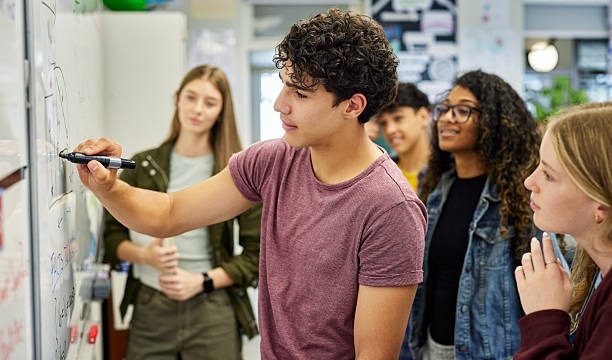
In the heart of every classroom lies the potential for connection, understanding, and growth.
As educators, we often seek methods to foster a sense of community among students, encouraging them to see the world through each other’s eyes.
One powerful tool in our arsenal is storytelling.
This age-old practice not only captivates the imagination but also serves as a bridge to empathy, allowing students to engage with diverse perspectives and experiences.
The magic of storytelling begins with its ability to transport us. When a teacher shares a tale, whether it’s a personal anecdote or a narrative from a different culture, students embark on a journey that transcends their immediate surroundings. They are invited to step into someone else’s shoes, experiencing emotions, challenges, and triumphs that may differ from their own. This immersion can spark curiosity, leading to rich discussions that deepen understanding and foster connections.
Creating a storytelling environment in the classroom doesn’t require grand gestures. Sometimes, a simple shift in how we approach daily interactions can make a significant difference. For instance, rather than merely relaying facts during a history lesson, educators can weave in stories about the lives of individuals who shaped events. By focusing on the human experience behind historical milestones, students can relate to figures like Rosa Parks or Albert Einstein not just as names in a textbook but as real people with joys, fears, and dreams. This approach cultivates a sense of belonging and a greater appreciation for the complexities of history.
Storytelling also encourages students to share their own narratives. When they have the opportunity to voice their experiences, they learn that their stories matter. This validation can be particularly important for students from diverse backgrounds, who may feel marginalized or unheard. By creating a safe space for sharing, educators foster an environment where empathy flourishes. When students listen to one another, they develop a deeper understanding of the myriad experiences that shape their peers’ lives.
Moreover, storytelling can serve as a powerful tool for conflict resolution. In moments of disagreement, narratives can help illuminate the underlying emotions and motivations of each party. For example, during a heated discussion about differing opinions, a teacher might encourage students to share personal stories related to the topic. This not only humanizes the conversation but also helps students recognize the common threads of experience that bind them together, even when their viewpoints differ.
Incorporating storytelling into the curriculum can also enhance critical thinking skills. As students analyze narratives, they learn to question motives, identify biases, and consider multiple perspectives. This analytical approach nurtures a more nuanced understanding of complex issues, ultimately leading to more informed and empathetic individuals. By engaging with stories, students practice the art of discernment, learning that there is often more to a situation than meets the eye.
As we explore the benefits of storytelling, it’s essential to consider the various mediums through which these narratives can be shared. Traditional oral storytelling, literature, and even digital media can all play a role in enriching the storytelling experience. For instance, incorporating diverse literary works into the curriculum can expose students to voices and experiences they may not encounter in their daily lives. This exposure can be transformative, fostering a sense of global citizenship and a deeper appreciation for the rich tapestry of human experience.
In addition to literature, digital storytelling offers exciting possibilities. Students can create podcasts, videos, or blogs that share their narratives or those of their communities. This not only enhances their technological skills but also empowers them to take ownership of their stories. By sharing their creations with a broader audience, they can inspire others and contribute to a culture of empathy and understanding.
While the benefits of storytelling in the classroom are clear, it’s important to approach this practice with sensitivity. Not all students may feel comfortable sharing their stories, and it’s crucial to respect their boundaries. Educators should create an atmosphere of trust, where students feel safe to express themselves without fear of judgment. This nurturing environment is foundational to building empathy, as it allows for authentic connections to form.
As we reflect on the role of storytelling in education, we can see its potential to transform the classroom into a vibrant community of learners. When students engage with stories, they not only develop empathy but also cultivate a sense of belonging. They learn to appreciate the richness of diversity and the commonalities that unite us as human beings.
In a world that often feels divided, fostering empathy through storytelling can be a powerful antidote. It encourages students to listen, reflect, and connect with one another, creating a supportive network that extends beyond the classroom walls.
Ultimately, the stories we share and the ones we listen to can shape our understanding of ourselves and the world around us. By embracing storytelling as a vital component of education, we empower students to navigate their journeys with compassion and understanding. As they learn to appreciate the narratives of others, they become not only better students but also more empathetic individuals ready to contribute positively to society.
In this age of rapid change and diverse perspectives, the ability to empathize is more crucial than ever. Through the art of storytelling, we can nurture a generation of compassionate learners who will carry these values with them into the future. Let us embrace this beautiful practice, allowing stories to weave the fabric of empathy in our classrooms and beyond.