In the realm of education, where knowledge is the currency and curiosity is the compass, storytelling emerges as a powerful method for effective teaching.
This age-old tradition of sharing narratives has a unique ability to engage, inspire, and enlighten both teachers and students.
By weaving lessons into the fabric of stories, educators can create a rich tapestry of learning that resonates on multiple levels.
Stories, in their essence, are a reflection of human experience. They capture emotions, convey morals, and illustrate complex ideas in a way that is accessible and relatable. When educators harness the art of storytelling, they invite students into a world where learning transcends the confines of textbooks and rote memorization. This approach not only enhances comprehension but also fosters a deeper connection to the material.
One of the most effective storytelling methods in teaching is the use of personal anecdotes. When educators share their own experiences, they create an authentic connection with their students. These narratives can humanize the educator, making them more approachable and relatable. A story about a challenge faced or a lesson learned can inspire students to see the value in their own struggles and triumphs. This connection encourages a growth mindset, as students realize that learning is a journey filled with ups and downs.
Another powerful storytelling technique is the use of metaphor. Metaphors bridge the gap between the known and the unknown, allowing students to grasp abstract concepts through familiar imagery. For instance, comparing the process of photosynthesis to baking a cake can simplify a complex scientific process. By presenting information in a relatable manner, educators can illuminate the subject matter, making it more engaging and memorable. The beauty of metaphors lies in their ability to spark imagination, inviting students to visualize and internalize information in a way that resonates with them.
Incorporating narratives from various cultures and backgrounds can also enrich the classroom experience. Storytelling is a universal language, and by sharing tales from different traditions, educators can cultivate an appreciation for diversity. These narratives can serve as windows into different perspectives, encouraging students to empathize with others and recognize the shared threads of humanity. This not only broadens their understanding but also fosters a sense of belonging and acceptance within the classroom community.
Engaging students in storytelling can also be a transformative experience. Encouraging them to craft their own narratives around the lesson can deepen their understanding and enhance retention. When students become storytellers, they take ownership of their learning. This active participation fosters creativity and critical thinking, as they must consider how best to convey their message. Whether it’s through written stories, oral presentations, or even digital storytelling, the act of creating a narrative allows students to synthesize information in a meaningful way.
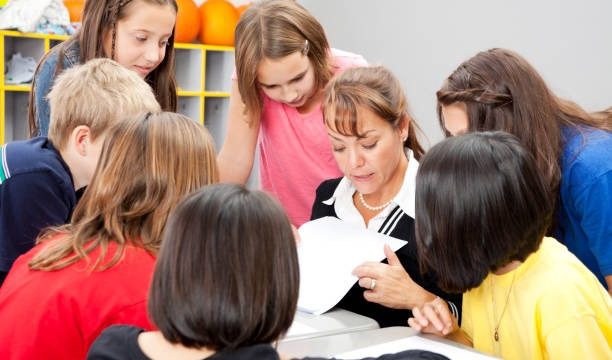
A gentle shift toward collaborative storytelling can further enhance the learning experience. Group storytelling activities allow students to build on each other’s ideas, fostering teamwork and communication skills. This collaborative dynamic can lead to richer narratives, as each student contributes their unique perspective. The act of creating a story together not only reinforces the material but also strengthens the bonds between classmates, creating a supportive learning environment.
Incorporating visual storytelling elements can also elevate the teaching experience. Visual aids, such as images, videos, or infographics, can complement oral narratives and help to convey information more effectively. The integration of visuals caters to different learning styles, ensuring that all students can engage with the material. Whether it’s a short video clip that illustrates a key concept or a series of images that accompany a story, these elements can enhance understanding and retention.
It’s important to remember that storytelling is not limited to the traditional narrative format. Educators can explore various genres, such as poetry, drama, or even interactive storytelling. These diverse forms can captivate students’ attention and spark their creativity. By experimenting with different storytelling methods, educators can discover what resonates most with their students, tailoring their approach to meet the unique needs of each classroom.
As educators embrace storytelling as a teaching method, it’s crucial to remain mindful of the emotional impact of narratives. Stories can evoke a range of feelings, from joy to sadness, and it’s essential to create a safe space for students to explore these emotions. By fostering an environment where students feel comfortable sharing their thoughts and reactions, educators can encourage open dialogue and reflection. This emotional connection to the material can enhance learning, as students are more likely to remember information that resonates with them on a personal level.
Ultimately, the integration of storytelling into teaching practices invites a sense of wonder and curiosity into the classroom. It transforms lessons into adventures, where students are not just passive recipients of information but active participants in their own learning journeys. By embracing the art of storytelling, educators can inspire a love for learning that extends far beyond the classroom walls.
In a world that often prioritizes standardized testing and rigid curricula, storytelling serves as a gentle reminder of the beauty of connection and creativity. It encourages educators to view their students as individuals with unique experiences and perspectives, fostering an atmosphere of inclusivity and respect. As we navigate the ever-evolving landscape of education, let us not forget the power of a well-told story to illuminate minds, touch hearts, and inspire lifelong learners.