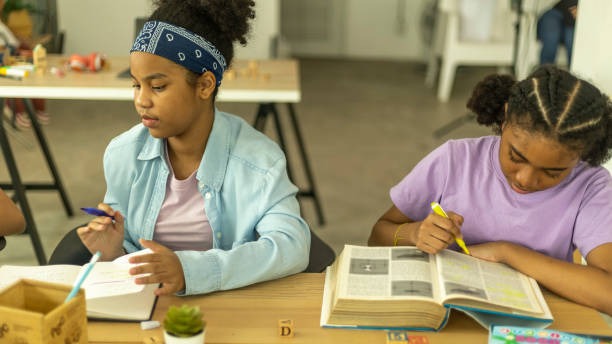
In the ever-evolving landscape of education, interactive whiteboards have emerged as transformative tools, enhancing the way lessons are delivered and experienced by students.
With their vibrant displays and engaging functionalities, these digital canvases invite creativity and innovation into the classroom.
As educators, embracing creative strategies for interactive whiteboard lessons can lead to a more dynamic learning environment where students feel inspired to participate and explore.
Creating a welcoming atmosphere is one of the first steps toward effective use of an interactive whiteboard. When students enter a classroom filled with warmth and enthusiasm, they are more likely to engage with the material presented. Consider starting each lesson with a brief, interactive warm-up activity. This could be a simple question posed on the board, inviting students to share their thoughts or experiences related to the day’s topic. Not only does this establish a sense of community, but it also encourages students to connect personally with the subject matter.
Another gentle approach to enhance interactive whiteboard lessons is to incorporate storytelling. Humans are naturally drawn to narratives, and weaving stories into your lessons can captivate your students’ attention. For instance, if you’re teaching a science lesson, you might present a scenario involving a character facing a scientific challenge. Use the whiteboard to illustrate key points or draw diagrams that complement the story. This method not only fosters engagement but also helps students retain information by linking it to a narrative they can relate to.
As you delve into the lesson, consider inviting students to take an active role in their learning journey. Interactive whiteboards allow for collaborative activities where students can contribute in real-time. You might divide the class into small groups and assign each group a section of the lesson to explore. As they work, they can use the whiteboard to share their findings or present their ideas. This collaborative spirit not only enhances critical thinking but also builds teamwork skills, fostering a sense of belonging among students.
Incorporating multimedia elements into your lessons can also breathe new life into the learning experience. Interactive whiteboards enable you to seamlessly integrate videos, images, and audio clips that align with your lesson objectives. For example, if you’re discussing a historical event, showing a short documentary clip can provide context and deepen understanding. Visual and auditory stimuli can cater to different learning styles, ensuring that every student has the opportunity to engage with the content in a way that resonates with them.
As the lesson progresses, maintaining a balance between instruction and exploration is essential. Encourage students to ask questions and express their thoughts throughout the lesson. You might pose open-ended questions on the whiteboard, inviting students to reflect and respond. This not only fosters a dialogue but also empowers students to take ownership of their learning. By creating a space where curiosity is welcomed, you cultivate a classroom environment that inspires inquiry and discovery.
A small shift toward balance can also be achieved through gamification. Interactive whiteboards lend themselves beautifully to game-based learning, where students can participate in quizzes, challenges, or interactive simulations. Consider designing a friendly competition around the lesson content. You could create a quiz game where students answer questions using the whiteboard, earning points for correct responses. This playful approach can transform learning into an enjoyable experience while reinforcing key concepts.
As the lesson draws to a close, reflection becomes a crucial element in solidifying understanding. Use the interactive whiteboard to facilitate a reflective discussion. Prompt students to share what they learned, what surprised them, and how they can apply this knowledge in their lives. This moment of reflection allows students to process the information and connect it to their personal experiences, enhancing retention and comprehension.
In addition to these strategies, it’s important to remain adaptable. Every classroom is unique, and what works for one group of students may not resonate with another. Pay attention to your students’ responses and be willing to modify your approach as needed. Flexibility is key in creating a nurturing learning environment where students feel supported and encouraged to explore.
The journey of incorporating creative strategies into interactive whiteboard lessons is one of growth and discovery, not just for students but for educators as well. As you experiment with different techniques and approaches, you may find yourself inspired by the enthusiasm and creativity of your students. Their engagement can reignite your passion for teaching and reinforce the importance of fostering a collaborative learning atmosphere.
In conclusion, interactive whiteboards hold the potential to transform the educational experience, making lessons more engaging and interactive. By creating a welcoming atmosphere, incorporating storytelling, facilitating collaboration, integrating multimedia, and encouraging reflection, educators can cultivate a vibrant learning environment. Each lesson becomes an opportunity for exploration and connection, allowing students to thrive in their educational journey. Embracing these creative strategies not only enhances the learning experience but also nurtures a love for knowledge that can last a lifetime. As you embark on this journey, remember that the heart of education lies in the relationships built and the shared experiences that inspire both teachers and students alike.