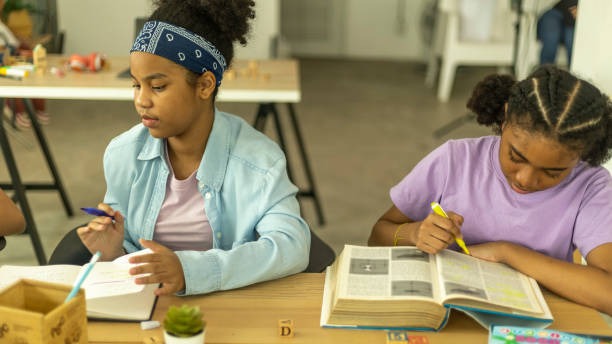
Middle school is often viewed as a transitional phase, a bridge between childhood and the complexities of adolescence.
It’s a time filled with changes, challenges, and, most importantly, opportunities for creative growth.
During these formative years, students are not only developing academically but are also discovering their unique voices and talents.
This period can be a fertile ground for creativity, where exploration and self-expression flourish.
As students step into middle school, they often find themselves in a whirlwind of new experiences. The curriculum becomes more diverse, introducing subjects that spark curiosity and creativity. Art, music, drama, and even creative writing begin to take center stage, allowing students to express themselves in ways that resonate with their interests. This is the time when a budding artist may discover a love for painting, or a future musician might find joy in learning an instrument. Encouraging this creative exploration is vital for their personal development.
A gentle shift toward balance is essential during this time. While academic pressures can mount, it’s important to create an environment where creativity is nurtured alongside traditional subjects. Schools that emphasize project-based learning allow students to engage with their work in a meaningful way. This approach encourages them to think critically, collaborate with peers, and express their ideas creatively. It’s in these moments of collaboration that students often find inspiration, learning to appreciate different perspectives and styles.
At home, fostering creativity can also be achieved by encouraging hobbies and interests. Parents can play a pivotal role by providing resources and opportunities for their children to explore their passions. Whether it’s setting up a small art studio, enrolling them in a local theater program, or simply allowing them to experiment with different media, these small gestures can have a significant impact. It’s important to remember that the goal is not perfection but exploration. Allowing children the freedom to create without the fear of judgment can open doors to self-discovery and innovation.
Social interactions in middle school also contribute to creative growth. Friendships formed during these years can be powerful catalysts for inspiration. Group projects, collaborative art sessions, or even informal gatherings where students share their creative works can enhance their skills and confidence. When students see their peers expressing themselves, it often encourages them to step outside their comfort zones and try new things. This sense of community can be incredibly empowering and can lead to lifelong friendships built on shared interests and passions.
Another significant aspect of this developmental stage is the influence of technology. In today’s digital age, students have access to an array of tools that can enhance their creative pursuits. From graphic design software to music production apps, the possibilities are endless. Encouraging students to leverage technology for creative expression can help them develop valuable skills for the future. However, it’s important to strike a balance between screen time and hands-on creativity. Engaging in traditional forms of art, such as painting or sculpting, can complement digital creations and provide a well-rounded approach to creative growth.
As students navigate the complexities of middle school, they may also encounter challenges that can impact their creative expression. It’s not uncommon for young people to feel self-doubt or fear of criticism. Building resilience and fostering a positive mindset is crucial during this time. Encouraging students to view mistakes as learning opportunities can help them embrace their creativity without the fear of failure. Celebrating small accomplishments and providing constructive feedback can also build confidence. A supportive environment, whether at home or in school, can make all the difference.
The role of educators in nurturing creativity cannot be overstated. Teachers who recognize the importance of creative expression can significantly influence their students’ experiences. By integrating art and creativity into the curriculum, educators can inspire students to think outside the box. Encouraging creative problem-solving and innovative thinking can lead to a deeper understanding of subjects and help students connect their learning to the real world. When teachers foster a classroom culture that values creativity, students are more likely to engage and thrive.
As middle schoolers grow, their interests may evolve, leading them to discover new passions. This is a natural part of their development, and it’s essential to support this journey. Encouraging students to try new activities, whether it’s joining a club or participating in after-school programs, can help them uncover hidden talents. These experiences can not only enhance their creativity but also contribute to their overall sense of identity and belonging.
In the grand tapestry of life, middle school is a unique thread that weaves together the joys and challenges of growing up. It’s a time of exploration, where students can discover their passions and develop their creative voices. By nurturing this growth through supportive environments at home and school, we can help young people flourish into confident, creative individuals. As they navigate this transformative time, let’s celebrate their journeys and encourage them to embrace their creativity, knowing that it will serve them well in all aspects of life.
Ultimately, the creative growth experienced in middle school can lay the foundation for a lifelong appreciation of the arts, innovation, and self-expression. By fostering an environment that values creativity, we not only enrich their lives but also equip them with the skills needed to navigate the complexities of the world ahead. As they explore their interests and develop their unique voices, let’s remind them that the journey of creativity is just as important as the destination.