In an ever-evolving educational landscape, the integration of technology into our classrooms is becoming more than just a trend—it’s a necessity.
Among the myriad of technological advancements, artificial intelligence (AI) stands out as a powerful tool that holds the potential to foster student growth in ways that were once unimaginable.
The harmonious blend of AI with traditional teaching methods can lead to a more personalized, engaging, and effective learning experience for students of all ages.
As we delve into how AI can enhance student growth, it’s important to recognize the essence of education itself: nurturing curiosity, fostering creativity, and building critical thinking skills. AI is not merely a replacement for traditional teaching; rather, it complements and enriches the educational journey, allowing students to thrive in a supportive environment.
A gentle shift toward personalization
One of the most exciting aspects of AI in education is its ability to tailor learning experiences to individual needs. Every student comes with a unique set of skills, interests, and learning styles. By analyzing data, AI can help educators understand each student’s strengths and weaknesses, allowing for a more personalized approach. Imagine a classroom where lessons are adapted in real-time based on a student’s performance. This means that if a student excels in mathematics but struggles with reading comprehension, the AI can suggest specific resources or activities to bridge that gap. This personalized attention fosters a sense of belonging and encourages students to take ownership of their learning.
Moreover, AI can empower students to learn at their own pace. With the support of intelligent tutoring systems, learners can explore subjects deeply without feeling rushed or left behind. This flexibility nurtures confidence, encouraging students to ask questions and pursue knowledge in a way that feels natural to them.
Creating a nurturing environment
AI also plays a significant role in creating a nurturing educational environment. By analyzing patterns in student behavior and performance, AI can help educators identify when a student may be struggling—emotionally or academically. This early detection allows teachers to intervene with compassion, providing the necessary support before issues escalate. In this way, AI becomes a partner in fostering not only academic growth but emotional well-being as well.
Furthermore, the use of AI can help streamline administrative tasks, freeing up educators to focus on what they do best: teaching. When teachers spend less time on paperwork and more time engaging with students, the classroom atmosphere becomes more vibrant and interactive. Students benefit from the increased attention and support, creating a positive feedback loop that promotes growth and learning.
Encouraging collaboration and creativity
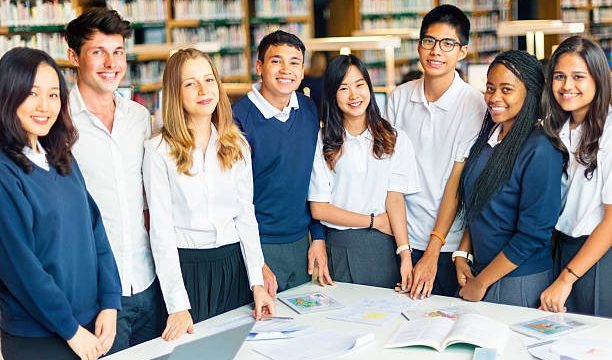
In addition to personalization and support, AI can enhance collaboration among students. Through AI-driven platforms, learners can connect with peers, share ideas, and work on projects together, regardless of geographical barriers. This collaborative approach not only enriches the learning experience but also prepares students for a future where teamwork is essential. By engaging with diverse perspectives, students develop critical social skills and a greater appreciation for different viewpoints.
Moreover, AI can foster creativity by providing students with innovative tools to express their ideas. From virtual art studios to music composition software, the possibilities are endless. These tools allow students to experiment and explore their creative potential, all while receiving real-time feedback. This combination of creativity and technology encourages a growth mindset, where students learn to embrace challenges and view setbacks as opportunities for improvement.
A supportive bridge to the future
As we look toward the future, the role of AI in education is likely to expand even further. With advancements in natural language processing and machine learning, we can anticipate even more sophisticated applications that will enhance student growth. For instance, virtual reality experiences powered by AI may soon allow students to immerse themselves in historical events or explore scientific concepts in a hands-on manner. Such experiences can ignite passion and curiosity, transforming the way we approach learning.
However, with great power comes great responsibility. It is crucial that educators, administrators, and policymakers work together to ensure that AI is implemented thoughtfully and ethically in the classroom. This includes ongoing training for teachers, as well as a commitment to equity in access to technology. Every student, regardless of their background, should have the opportunity to benefit from these advancements.
In conclusion, the integration of AI in education is a promising avenue for fostering student growth. By personalizing learning experiences, creating nurturing environments, encouraging collaboration, and igniting creativity, AI has the potential to transform the educational landscape. As we embrace these innovations, let us remember that the heart of education lies in human connection and understanding. Ultimately, it is this connection that will guide our students toward a future rich with possibilities, where they can grow, thrive, and contribute meaningfully to the world around them. The journey is just beginning, and with each step, we move closer to a brighter, more inclusive educational experience for all.