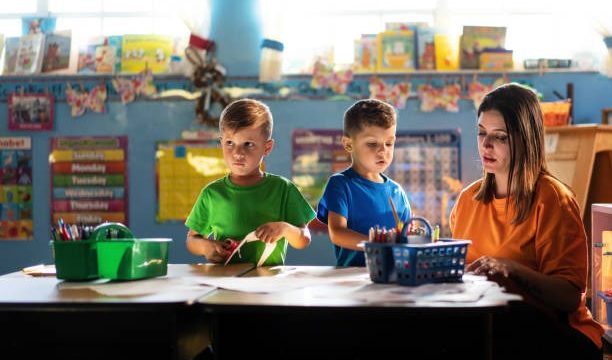
Encouraging responsibility in students is a gentle journey, one that unfolds through patience, understanding, and a nurturing environment.
As educators, parents, and mentors, our role is to guide young minds toward recognizing the importance of accountability, not just in academics but in life itself.
This process can be both rewarding and transformative, fostering a sense of ownership and pride in their actions.
One of the foundational steps in nurturing responsibility is to create a supportive atmosphere that encourages independence. When students feel safe and valued, they are more likely to take initiative and make choices. This can be achieved by allowing them to make decisions regarding their learning. For instance, offering them options in project topics or allowing them to choose how they want to present their work can empower them. The key here is to strike a balance between guidance and freedom. Encouraging students to voice their preferences helps them feel more invested in their education and fosters a sense of accountability for their choices.
Another important aspect is modeling responsibility ourselves. Children and young adults are keen observers; they learn a great deal from watching the adults in their lives. When we demonstrate responsibility—whether by managing our time effectively, following through on commitments, or admitting our mistakes—we set a powerful example. Sharing our own experiences with responsibility, including the challenges and rewards, can make the concept more relatable. It’s about showing that being responsible is a journey, one that often includes missteps and learning moments.
A small shift toward balance can also be found in teaching students about consequences. Understanding the natural outcomes of their actions is crucial in developing a sense of responsibility. This doesn’t mean imposing strict punishments, but rather allowing them to experience the results of their choices in a safe and supportive environment. For instance, if a student neglects their homework, instead of stepping in to rescue them, we can encourage them to face the situation and learn from it. This helps them connect their actions with the outcomes, reinforcing the idea that they have control over their choices.
Creating a routine can also be beneficial. Establishing a structure within which students can operate provides a sense of security and predictability. When they know what is expected of them and when, they are more likely to take responsibility for their tasks. This could be as simple as having a designated time for homework or chores. Routines help build habits, and habits are the building blocks of responsibility. As they grow accustomed to these patterns, they begin to internalize the importance of managing their time and commitments.
Encouraging reflection is another gentle yet effective way to cultivate responsibility. Taking time for students to think about their actions and the decisions they make can foster a deeper understanding of their impact. Simple practices like journaling or group discussions can provide a platform for them to express their thoughts. By reflecting on their experiences, they learn to recognize what they did well and where they can improve. This self-awareness is crucial in helping them take ownership of their actions moving forward.
It’s also important to celebrate their successes, no matter how small. Acknowledging their efforts in being responsible reinforces positive behavior. This recognition doesn’t have to be grand; a simple word of praise or a note of encouragement can go a long way. When students feel appreciated for their responsible actions, they are more likely to continue those behaviors. It fosters a sense of pride and encourages them to strive for more.
Involving students in community service activities can further enhance their sense of responsibility. When they participate in projects that benefit others, they begin to see the impact of their actions beyond their immediate surroundings. This experience can be eye-opening, helping them realize that their choices can contribute to the greater good. It nurtures empathy and a sense of belonging, reinforcing the idea that they are part of a larger community.
Communication is vital in this process. Encouraging open dialogue about responsibility allows students to express their thoughts and feelings. Discussing the importance of accountability in a non-judgmental way can help them understand its value. It’s essential to listen to their perspectives and concerns, as this demonstrates respect for their opinions and encourages them to take their responsibilities seriously.
As students grow, their responsibilities will naturally evolve. Transitioning from small tasks to more significant commitments can be an exciting yet daunting journey. It’s essential to provide them with the necessary support and guidance as they navigate these changes. Gradually increasing their responsibilities can help build their confidence and competence. Whether it’s taking charge of a group project or managing their own schedules, these experiences can empower them to embrace responsibility with enthusiasm.
Finally, fostering a growth mindset is key to helping students view responsibility as an opportunity for learning rather than a burden. Encouraging them to see challenges as chances to grow can shift their perspective. When they understand that mistakes are part of the learning process, they become more willing to take risks and own their decisions. This mindset can transform their approach to responsibility, making it a positive aspect of their lives.
In conclusion, encouraging responsibility in students is a multifaceted endeavor that requires empathy, patience, and creativity. By providing a supportive environment, modeling responsible behavior, allowing for decision-making, and fostering self-reflection, we can guide young people toward embracing their responsibilities with confidence. As they learn to take ownership of their actions, they not only grow as individuals but also contribute positively to the world around them. It’s a beautiful journey, one that shapes not just students, but the future.