In the ever-evolving landscape of education, the quest for effective student engagement remains a top priority for educators and parents alike.
Among the myriad of tools available, interactive notebooks have emerged as a delightful and dynamic resource that fosters creativity, critical thinking, and personal expression in students.
These engaging learning tools not only enhance understanding but also invite students to take ownership of their education in a way that feels both enjoyable and meaningful.
At their core, interactive notebooks are more than just a collection of bound pages. They represent a space where students can explore concepts, jot down ideas, and express their thoughts through a blend of writing, drawing, and crafting. Each page becomes a canvas for imagination, allowing students to transform their learning experiences into a personal journey. This integration of art and education creates a multi-sensory experience that can be particularly beneficial for diverse learning styles, making it easier for students to grasp complex ideas.
The beauty of interactive notebooks lies in their versatility. They can be tailored to fit various subjects and grade levels, from elementary school to high school. Whether it’s a science notebook filled with diagrams and experiments or a literature journal brimming with character analyses and thematic explorations, the possibilities are endless. This adaptability not only keeps students engaged but also empowers them to connect with the material on a deeper level, fostering a sense of ownership over their learning.
One of the most enchanting aspects of interactive notebooks is their ability to promote active participation. In a traditional classroom setting, students often find themselves in passive roles, absorbing information rather than actively engaging with it. Interactive notebooks flip this dynamic on its head, encouraging students to interact with the content in a hands-on manner. As they create foldables, sketches, and mind maps, students are not merely recipients of knowledge; they are co-creators of their educational experience.
As students dive into the world of interactive notebooks, they also develop essential skills that extend beyond the classroom. The process of organizing thoughts, synthesizing information, and creatively presenting ideas nurtures critical thinking and problem-solving abilities. In a world that increasingly values innovation and adaptability, these skills are invaluable. Students learn to approach challenges with a sense of curiosity and resilience, preparing them for future endeavors in both academic and personal pursuits.
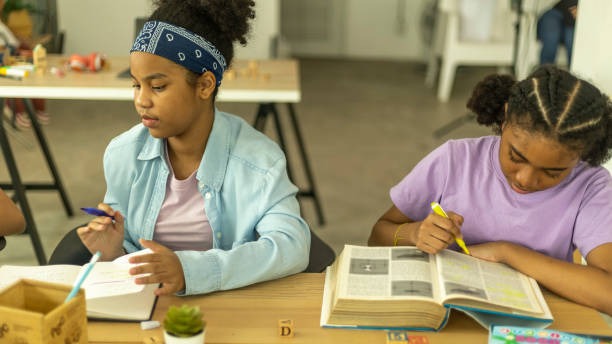
Creating an interactive notebook can be an inviting experience, one that encourages collaboration and community. Teachers can facilitate group projects where students share ideas and techniques, fostering a sense of belonging and teamwork. This collaborative spirit nurtures friendships and encourages students to learn from one another, creating a supportive environment where everyone can thrive. It’s not just about the end product; it’s about the journey of exploration and discovery that students embark upon together.
Incorporating interactive notebooks into the curriculum can also provide a refreshing break from traditional assessments. Instead of relying solely on tests and quizzes, educators can evaluate student understanding through their notebooks. These personalized artifacts showcase individual progress and creativity, offering a more holistic view of a student’s abilities. This shift toward assessment through creative expression can reduce anxiety and foster a growth mindset, encouraging students to view learning as an ongoing process rather than a destination.
For parents, interactive notebooks present an opportunity to engage in their child’s education in a meaningful way. By taking an interest in their child’s notebook, parents can spark conversations about what their child is learning and how they feel about it. This connection not only reinforces the importance of education but also strengthens the bond between parent and child. It becomes a shared journey, filled with questions, discoveries, and moments of pride.
As we consider the impact of interactive notebooks, it’s essential to acknowledge the role of digital tools in enhancing this experience. While traditional paper notebooks offer a tactile and personal touch, digital platforms can complement them beautifully. Many students are comfortable with technology, and incorporating digital elements—such as online research, multimedia presentations, or interactive apps—can enrich their learning experience. The combination of physical and digital tools allows for a seamless transition between different modes of learning, catering to the diverse needs of today’s students.
A small shift toward balance is also important when it comes to using interactive notebooks. While these tools are undeniably effective, it’s crucial to strike a balance between creativity and structure. Providing students with guidelines and frameworks can help them stay focused while still allowing room for personal expression. This balance ensures that students can explore their creativity without feeling overwhelmed by the freedom of an unstructured approach.
In the grand tapestry of education, interactive notebooks represent a vibrant thread that weaves together creativity, engagement, and personal growth. They remind us that learning is not merely about memorizing facts but about fostering a love for discovery and a curiosity that lasts a lifetime. As students fill their notebooks with ideas, illustrations, and reflections, they embark on a journey that transcends the classroom walls.
In a world that often feels fast-paced and overwhelming, interactive notebooks offer a gentle reminder of the beauty of taking time to reflect, create, and connect. They invite students to slow down, explore their thoughts, and express themselves in ways that resonate with their unique identities. As we embrace this innovative approach to learning, we can cultivate a generation of thinkers, dreamers, and doers who are not only engaged in their education but also inspired to make a difference in the world around them.