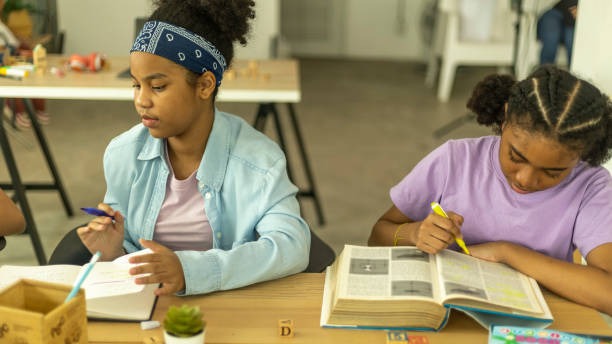
Creating a safe classroom environment is essential for nurturing young minds and fostering a sense of belonging.
As educators, parents, or caregivers, we all share the responsibility of ensuring that our classrooms are spaces where students feel secure, respected, and ready to learn.
In this article, we’ll explore some thoughtful approaches to cultivating a safe and welcoming atmosphere in the classroom.
A warm welcome begins with connection
The foundation of a safe classroom environment lies in the relationships we build with our students. Taking the time to get to know each child personally can create a bond that fosters trust and openness. Simple gestures, like greeting students at the door with a smile or asking them about their day, can set a positive tone for the classroom. When students feel recognized and valued, they are more likely to engage and participate actively in their learning.
Creating an inclusive atmosphere
Inclusion is a vital aspect of safety in the classroom. Every student should feel that they belong, regardless of their background, abilities, or interests. Educators can promote inclusivity by incorporating diverse perspectives into the curriculum and encouraging collaboration among students. Group activities that celebrate differences can help students appreciate one another’s unique qualities while building empathy and understanding.
Physical safety matters
While emotional safety is crucial, the physical environment of a classroom also plays a significant role in creating a sense of security. A well-organized classroom can help minimize chaos and distraction. Ensuring that furniture is arranged in a way that promotes visibility and accessibility is important. Additionally, having clear pathways and maintaining a clean environment can reduce the risk of accidents.
It’s also essential to establish classroom rules and routines that emphasize safety. When students understand expectations, they are more likely to feel secure. Consistent routines can provide a comforting structure, allowing students to focus on their learning without unnecessary anxiety.
Encouraging open communication
An open line of communication is key to fostering a safe environment. Encouraging students to express their feelings and concerns can help them feel heard and respected. Creating opportunities for discussion, whether through regular check-ins or class meetings, allows students to voice any worries they may have.
It’s essential to approach these conversations with empathy and understanding. When students see that their thoughts and feelings are valued, it cultivates a sense of belonging that enhances their classroom experience. Additionally, teaching students how to communicate effectively and respectfully with one another can improve their social interactions and conflict resolution skills.
Building resilience through challenges
Safety doesn’t mean the absence of challenges. In fact, facing and overcoming obstacles can help students develop resilience. Educators can create an environment that encourages risk-taking in learning while providing support and guidance. Allowing students to make mistakes and learn from them fosters a growth mindset, where they understand that challenges are a natural part of the learning process.
When students feel safe to explore new ideas and take academic risks, they become more confident in their abilities. This confidence not only enhances their learning experience but also contributes to a supportive classroom culture where everyone encourages one another.
Promoting mental well-being
Mental health is a critical component of safety in the classroom. Recognizing the signs of stress and anxiety in students is important, as these feelings can significantly impact their ability to learn. Creating a calm and supportive environment can help students manage their emotions. Simple practices such as mindfulness exercises, breathing techniques, or quiet reflection time can provide students with tools to cope with stress.
Additionally, integrating social-emotional learning (SEL) into the curriculum can help students develop essential skills such as self-awareness, empathy, and emotional regulation. When students learn how to navigate their emotions and understand those of others, they contribute to a more harmonious classroom environment.
Engaging families in the journey
A safe classroom environment extends beyond the walls of the school. Engaging families in the educational process can create a sense of community that supports students’ well-being. Regular communication with parents and guardians helps them feel included and informed about their child’s progress.
Inviting families to participate in classroom activities or events can strengthen these connections. When parents are involved, students tend to feel more secure and supported in their learning journey. This collaborative effort between educators and families fosters a holistic approach to creating a safe and nurturing environment.
Reflecting on practices
Creating a safe classroom environment is an ongoing journey. Regular reflection on teaching practices and classroom dynamics can help educators identify areas for growth. Seeking feedback from students about their experiences can provide valuable insights into what is working and what may need adjustment.
Being open to change and willing to adapt is crucial in this process. As we learn more about our students and their needs, we can refine our approaches to ensure that every child feels safe and supported.
In conclusion, creating a safe classroom environment is a multifaceted endeavor that requires intentionality and care. By fostering connections, promoting inclusivity, maintaining physical safety, encouraging open communication, building resilience, supporting mental well-being, engaging families, and reflecting on our practices, we can create spaces where all students thrive. Ultimately, a safe classroom is one where students feel empowered to learn, grow, and express themselves fully. It is in these nurturing environments that the seeds of curiosity and creativity can flourish, paving the way for a brighter future.