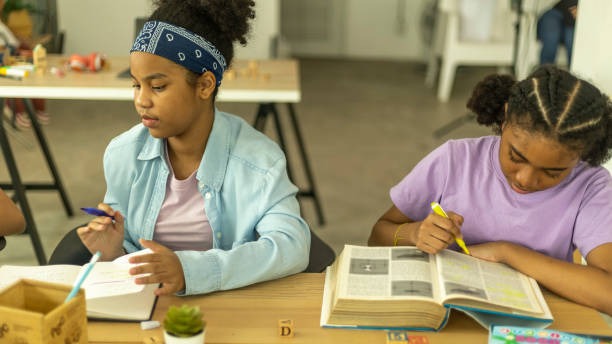
In a world that often feels fast-paced and demanding, creating an environment where young learners can thrive is essential.
Learning doesn’t have to be a chore; it can be an exciting adventure.
Fun learning games are a wonderful way to engage children, making the process enjoyable while fostering their natural curiosity and creativity.
These games often blend play with education, nurturing essential skills in a way that feels effortless.
A gentle introduction to learning
When children are introduced to new concepts through play, they are more likely to retain information and develop a love for learning. Games that encourage interaction and collaboration can help young minds connect with peers, enhancing their social skills alongside their cognitive abilities. This dual benefit makes play an invaluable component of early education.
One delightful example of a fun learning game is the classic scavenger hunt. This activity can be tailored to various themes, whether it’s a nature hunt in the backyard, a color hunt inside the house, or a letter hunt at the park. By giving children a list of items to find, you not only spark their curiosity but also encourage them to explore their surroundings. As they search for objects, they engage in critical thinking and problem-solving, all while enjoying the thrill of discovery.
Building blocks of creativity
Another engaging game to consider is building with blocks or other construction materials. Whether it’s traditional wooden blocks, magnetic tiles, or even everyday household items like cardboard boxes, the possibilities are endless. Children can create anything from towering skyscrapers to intricate castles, all while developing spatial awareness and fine motor skills.
This kind of open-ended play allows them to express their creativity freely. As they stack, balance, and arrange their creations, they are experimenting with concepts of gravity, stability, and design. These foundational skills are essential for later learning in subjects like math and science, providing a robust framework for their educational journey.
The joy of storytelling
Storytelling games can also provide a rich avenue for learning. Encouraging children to create their own stories fosters imagination and language skills. You might start by providing them with a few prompts or characters, then let their creativity take flight. This can be done through verbal storytelling or by using art supplies to illustrate their tales.
As they narrate their stories, children practice vocabulary, sentence structure, and narrative flow. These skills are crucial for their communication abilities and literacy development. Moreover, storytelling can strengthen emotional intelligence, as children learn to express feelings and understand different perspectives through their characters.
A world of numbers
For those who want to incorporate math into play, consider games that involve counting and sorting. Simple activities like counting objects during playtime or sorting toys by size or color can introduce mathematical concepts in a fun and engaging way.
You might also try creating a number line on the floor using tape and have children hop from number to number as you call them out. This kinesthetic approach not only reinforces number recognition but also helps develop gross motor skills. The combination of movement and learning is energizing and can make math feel less intimidating.
Nature-inspired learning
Outdoor games can also offer unique learning opportunities. Activities like gardening or nature walks can teach children about biology, ecology, and the environment. When they plant seeds and watch them grow, they learn about the life cycle and responsibility. Nature walks can inspire curiosity about different plants and animals, prompting questions that lead to further exploration and research.
Incorporating elements of nature into learning games provides a holistic approach, connecting children with the world around them. It encourages a sense of wonder and appreciation for nature, which is a valuable lesson in itself.
Collaborative play
Collaboration is another key element of learning through play. Games that require teamwork, such as relay races or group challenges, can teach children the importance of working together toward a common goal. These activities not only promote physical fitness but also enhance social skills, such as communication and empathy.
By engaging in cooperative games, children learn to respect others’ ideas, share responsibilities, and celebrate each other’s successes. These experiences lay the groundwork for positive relationships and conflict resolution skills that will serve them well throughout their lives.
Creating a learning-rich environment
To foster an atmosphere where learning through play flourishes, it’s essential to create a supportive environment. This means providing access to a variety of materials and resources that inspire creativity and exploration. It also involves being present and engaged during play, asking open-ended questions, and encouraging children to express their thoughts and ideas.
As parents or educators, it’s important to remember that the goal is not to push children toward a specific outcome but rather to allow them the freedom to explore and discover at their own pace. When children feel safe and supported, they are more likely to take risks, ask questions, and embrace the learning process.
The lasting impact of play
Ultimately, incorporating fun learning games into a child’s routine can have a lasting impact. The skills they develop during play will serve them well in school and beyond. By emphasizing the joy of learning through games, we help cultivate a generation of curious, creative, and confident individuals.
As we navigate the journey of education alongside our young learners, let’s embrace the spirit of play. By doing so, we not only enrich their learning experiences but also create cherished memories that will last a lifetime. So, gather some materials, invite friends, and let the games begin; the world of learning awaits, filled with laughter, exploration, and endless possibilities.