Creating a harmonious classroom environment is essential for fostering learning and personal growth among students.
One effective way to cultivate this sense of community is through team-building activities.
These activities can not only enhance cooperation and communication but also create a more inclusive atmosphere where every student feels valued.
Let’s explore some engaging team-building activities that can breathe life into your classroom, making it a more vibrant and supportive space.
A gentle introduction to team-building
Team-building activities are designed to encourage collaboration and build trust among participants. In a classroom setting, these exercises help students develop essential social skills, learn to appreciate diverse perspectives, and strengthen their relationships with one another. The beauty of these activities lies in their adaptability; they can be tailored to suit various age groups, class sizes, and learning objectives.
Creating connections through storytelling
One of the simplest yet most profound team-building activities is storytelling. Encourage students to share a personal story or an experience that has shaped who they are. This could be anything from a childhood memory to a significant life lesson. Not only does this activity allow students to express themselves, but it also fosters empathy and understanding among peers. By listening to one another, students learn to appreciate the unique backgrounds and perspectives that each individual brings to the classroom.
As students share their stories, consider creating a supportive environment by establishing ground rules. Emphasize the importance of active listening, respect, and confidentiality. This respectful atmosphere encourages students to open up and feel comfortable sharing.
Collaborative art projects
Art has a remarkable ability to bring people together, making collaborative art projects an excellent team-building activity. Consider organizing a mural or a large collage where each student contributes their unique artistic touch. This could revolve around a theme relevant to the class, such as diversity, friendship, or environmental awareness.
As students work side by side, they engage in conversations, share ideas, and learn to value each other’s contributions. This collaborative effort not only results in a beautiful piece of art but also strengthens bonds among classmates. The final product can serve as a lasting reminder of their teamwork and shared experiences.
Problem-solving challenges
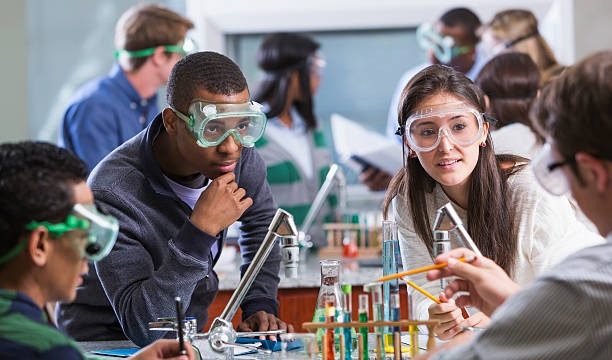
Engaging students in problem-solving challenges can be both fun and educational. These activities encourage critical thinking, creativity, and collaboration. You might present a scenario where students must work together to devise a solution. For instance, you could create a challenge where they must build a bridge using limited materials or navigate a maze without verbal communication.
These challenges require students to communicate effectively, delegate tasks, and support one another through the process. The sense of accomplishment that comes from solving a problem together can significantly enhance their teamwork skills. Additionally, reflecting on the experience afterward can help students identify what worked well and what they might improve upon in future collaborations.
A small shift toward balance
Mindfulness activities can also play a crucial role in team-building. Introducing mindfulness practices, such as guided meditation or simple breathing exercises, can help students center themselves and cultivate a sense of calm. When students are more in tune with their own emotions, they are better equipped to empathize with others.
Consider incorporating short mindfulness sessions into your classroom routine. These moments of stillness can serve as a reset for students, allowing them to approach team-building activities with a clearer mindset. As they develop these self-awareness skills, they can also learn to navigate group dynamics more effectively.
Outdoor adventures
Taking team-building activities outdoors can add an element of excitement and adventure to the experience. Organizing a nature scavenger hunt or an outdoor obstacle course encourages students to work together in a different setting. The fresh air and physical activity can invigorate their spirits and make collaboration feel more dynamic.
In these outdoor settings, students can learn to rely on one another, share responsibilities, and communicate effectively. The shared experience of navigating challenges in nature can create lasting memories and deepen their connections. Plus, spending time outdoors has been shown to boost mood and overall well-being, making it a win-win for everyone involved.
Embracing diversity through cultural exchange
In a multicultural classroom, embracing diversity through cultural exchange can be a powerful team-building activity. Encourage students to share aspects of their culture, such as traditional foods, customs, or celebrations. This can be done through presentations, storytelling, or even a potluck where students bring dishes from their backgrounds.
These exchanges foster respect and appreciation for different cultures while allowing students to learn from one another. By celebrating their differences, students can build a stronger sense of community and create an inclusive environment where everyone feels seen and valued.
Reflections on growth
After engaging in team-building activities, it’s essential to take time for reflection. Encourage students to share their thoughts on the experience, discussing what they learned about themselves and their peers. This can be done through group discussions, journaling, or creative expression.
Reflection not only reinforces the lessons learned during the activities but also promotes a growth mindset. Students can identify areas where they excelled and aspects they might want to improve upon in future collaborations. This process of self-evaluation encourages continuous growth and development, both as individuals and as a cohesive unit.
In conclusion, incorporating team-building activities into the classroom can create a nurturing environment where students feel connected and supported. Through storytelling, collaborative projects, problem-solving challenges, mindfulness practices, outdoor adventures, cultural exchanges, and reflection, students can develop essential social skills and build lasting relationships. As educators, fostering these connections not only enhances the classroom experience but also prepares students for success in their future endeavors. Embrace the journey of team-building, and watch as your classroom transforms into a thriving community of learners.