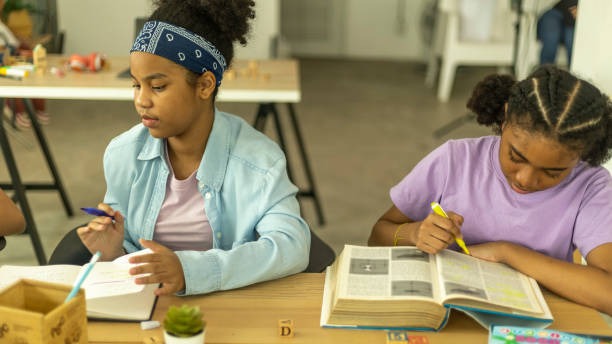
In an increasingly interconnected world, the importance of cultural understanding cannot be overstated.
Schools, as pivotal institutions in society, are recognizing the profound benefits of introducing cultural learning programs.
These initiatives not only enrich the educational experience but also prepare students to thrive in a diverse environment.
A small shift toward balance
Cultural learning programs foster an appreciation for diversity, encouraging students to explore various traditions, languages, and perspectives. By exposing young minds to different cultures, schools help cultivate empathy and respect. This broadened worldview allows students to see beyond their immediate experiences, fostering a sense of global citizenship.
In many ways, these programs serve as a bridge, connecting students with communities and histories they may not encounter in their everyday lives. When children learn about the customs of others, they begin to appreciate the richness that diversity brings. This understanding can lead to more harmonious interactions, reducing prejudice and promoting inclusivity.
Creating a sense of belonging
One of the most heartwarming aspects of cultural learning is its ability to create a sense of belonging among students. As schools introduce elements from various cultures, they validate the identities of students from diverse backgrounds. This validation is crucial in helping children feel seen and valued, which can significantly impact their self-esteem and overall well-being.
When students engage in cultural activities, whether through art, music, or storytelling, they often find common ground with their peers. These shared experiences can break down barriers and foster friendships that might not have formed otherwise. In this way, cultural learning programs contribute to a nurturing and supportive school environment, where every student feels like they belong.
Encouraging critical thinking
Cultural learning also encourages critical thinking skills, as students are often prompted to question their assumptions and consider different viewpoints. By learning about the complexities of various cultures, students develop a more nuanced understanding of the world around them. This kind of thinking is invaluable, as it prepares them to navigate the challenges of a rapidly changing society.
Teachers can facilitate discussions that encourage students to reflect on their own beliefs while exploring the values and practices of others. This dialogue not only enhances academic skills but also helps students become more open-minded and adaptable individuals. In a world that often seems polarized, this ability to engage thoughtfully with diverse perspectives is essential for fostering understanding and cooperation.
Nurturing creativity and expression
Cultural learning programs often incorporate arts and creative expression, allowing students to explore their own identities while appreciating those of others. Through music, dance, visual arts, and drama, students can express themselves in ways that transcend language barriers. These creative outlets provide a safe space for exploration and self-discovery, enabling students to connect with their emotions and experiences.
Moreover, engaging in artistic practices from different cultures can inspire students to think outside the box. They may draw on traditional techniques or themes, infusing their own creativity into these practices. This blending of ideas can lead to fresh and innovative expressions, enriching the cultural landscape of the school community.
Building community connections
Schools are not isolated entities; they are part of a larger community. Cultural learning programs can strengthen the ties between schools and local cultural organizations, families, and community members. By collaborating with these entities, schools can offer students authentic experiences that go beyond the classroom.
Field trips to cultural festivals, workshops led by local artists, or partnerships with community centers can provide students with hands-on learning opportunities. These experiences allow students to see the relevance of what they learn in school and how it connects to the world outside. Such connections can inspire students to become active participants in their communities, further enriching their educational journey.
Preparing for the future
As students prepare to enter an increasingly global workforce, cultural learning programs equip them with essential skills. In many careers, the ability to collaborate with individuals from diverse backgrounds is a significant asset. Schools that prioritize cultural learning help students develop the interpersonal skills necessary to navigate these environments successfully.
Employers often seek candidates who can communicate effectively across cultural lines, demonstrate adaptability, and approach problems with a creative mindset. By integrating cultural learning into the curriculum, schools are not just teaching history or art; they are providing students with the tools they need to thrive in a complex world.
Fostering lifelong learning
Cultural learning instills a sense of curiosity that can lead to lifelong learning. When students are encouraged to explore different cultures, they often develop a desire to continue learning about the world around them. This intrinsic motivation can lead to further exploration of languages, travel, and even academic pursuits in cultural studies or international relations.
As students grow and evolve, the lessons learned through cultural learning programs can shape their perspectives and values. They may become advocates for social justice, champions of diversity, or simply more compassionate individuals. The impact of these programs can extend far beyond the classroom, influencing the way students engage with the world throughout their lives.
In conclusion, the introduction of cultural learning programs in schools is a thoughtful response to the needs of our diverse society. These initiatives not only enhance the educational experience but also foster empathy, critical thinking, creativity, and community connections. By embracing cultural learning, schools are nurturing a generation of students who are prepared to navigate an interconnected world with openness and respect. As we look to the future, it is clear that these programs play a vital role in shaping compassionate, informed, and engaged citizens.