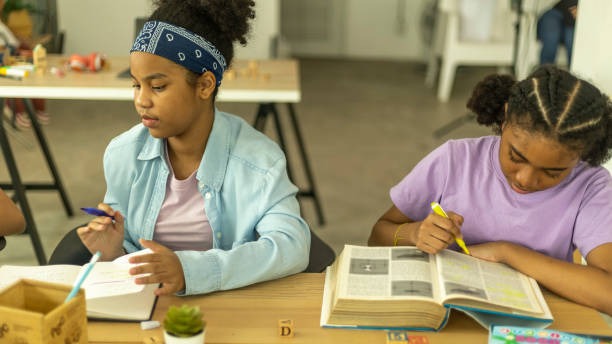
In the bustling world of education, where every day brings new challenges and opportunities, finding a moment for reflection can feel like a luxury few can afford.
Yet, it is in these quiet moments that educators can cultivate a deeper understanding of their teaching practices, ultimately leading to a more fulfilling and effective teaching experience.
Reflection is not merely a passive activity; it is an active process that can strengthen daily teaching habits and create a more enriching environment for both teachers and students.
A gentle pause for thought
Each day in the classroom is filled with interactions, lessons, and experiences that can easily slip away in the rush to prepare for the next day. Taking the time to reflect on these moments allows educators to gain insights into their teaching methods and the needs of their students. This could be as simple as spending a few minutes at the end of the day jotting down thoughts in a journal or discussing the day’s events with a colleague over a warm cup of tea.
Reflection encourages a deeper connection with one’s teaching philosophy. By considering what worked well and what didn’t, teachers can align their actions more closely with their core beliefs about education. This alignment not only enhances the teaching experience but also models a growth mindset for students, showing them that learning is a journey filled with both successes and setbacks.
Creating a nurturing routine
Incorporating reflection into daily routines can transform it from a daunting task into a nurturing practice. Educators might find it helpful to establish a specific time dedicated to reflection, whether it’s at the end of the school day or during a quiet moment in the morning. This consistency helps to reinforce the habit, making it an integral part of the teaching process rather than an afterthought.
A nurturing routine could also involve varying the methods of reflection. Some may prefer writing in a journal, while others might enjoy discussing their thoughts with a trusted colleague or mentor. Technology can also play a role; voice memos or digital journals can capture reflections on the go. The key is to find a method that resonates personally and fits seamlessly into daily life.
Embracing vulnerability
Reflection invites educators to embrace vulnerability, allowing them to acknowledge areas for growth without fear of judgment. This openness fosters a sense of community among educators, where sharing experiences becomes a source of strength rather than a point of weakness. Knowing that others face similar challenges can be comforting and motivating, creating a supportive network that champions growth and development.
When educators share their reflections, they pave the way for collaborative learning. Conversations about what works and what doesn’t can spark new ideas and strategies that benefit everyone involved. This shared vulnerability not only strengthens individual practices but also enriches the overall educational environment.
Small shifts toward balance
As educators navigate their daily responsibilities, it’s easy to become overwhelmed. Reflection helps to identify what is truly essential, allowing for small shifts that can lead to greater balance. By recognizing patterns in their teaching and their interactions with students, educators can pinpoint areas where they may be investing too much energy or where they might need to shift their focus.
These small adjustments can have a profound impact. For instance, if a teacher notices that they are spending excessive time on administrative tasks, they might explore ways to streamline those processes or delegate responsibilities. This newfound balance can lead to more time for engaging with students, fostering a richer learning experience.
Fostering student-centered practices
Reflection is not solely about the teacher’s experience; it also involves considering the student perspective. Understanding how students respond to lessons, what excites them, and where they struggle is crucial for tailoring teaching methods. By reflecting on student feedback and performance, educators can adapt their approaches to better meet the unique needs of their classrooms.
Creating opportunities for student voice in the reflection process is invaluable. Educators can encourage students to share their thoughts on lessons and activities, helping to create a reciprocal relationship where feedback flows both ways. This not only enhances teaching practices but also empowers students, making them active participants in their own learning journeys.
The journey of continuous growth
Reflection is an ongoing journey rather than a destination. As educators engage in this practice, they discover that their understanding evolves over time. What once seemed like a challenge may transform into an opportunity for innovation. Embracing this continuous growth mindset can invigorate teaching practices, making each day in the classroom feel fresh and inspired.
Moreover, as teachers model this commitment to growth, they instill a similar mindset in their students. When students see their teachers reflecting on their practices, they learn that self-improvement is a lifelong endeavor. This powerful lesson extends beyond the classroom, preparing students for the challenges and triumphs they will encounter in their own lives.
Nurturing a culture of reflection
In schools where reflection is valued, a culture of growth and support flourishes. When educators prioritize reflective practices, they contribute to an environment where collaboration and innovation thrive. This culture can inspire teachers to take risks in their teaching, experiment with new ideas, and share their findings with colleagues.
Creating such a culture requires intentionality. School leaders can foster this environment by providing professional development opportunities focused on reflection and encouraging teachers to share their experiences. Celebrating the successes and learning from the challenges can help solidify a community dedicated to continuous improvement.
In conclusion, reflection is a powerful tool that can significantly enhance daily teaching habits. By taking the time to pause, embrace vulnerability, and foster a culture of growth, educators can deepen their connection to their teaching practices and their students. This journey of reflection not only enriches the lives of teachers but also creates a vibrant learning environment where students can thrive. As educators nurture this practice, they embark on a path toward greater balance, fulfillment, and ultimately, a more impactful teaching experience.