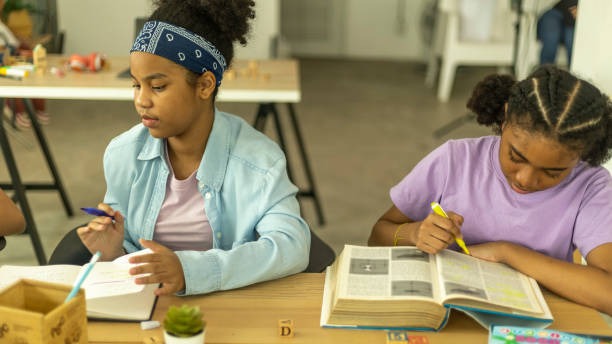
Teacher Effectiveness and Student Confidence: A Powerful Link
In the vibrant tapestry of education, the role of a teacher often stands out as one of the most crucial threads.
These dedicated individuals not only impart knowledge but also shape the hearts and minds of their students.
One of the most profound impacts a teacher can have is on a student’s confidence. The relationship between teacher effectiveness and student confidence is a powerful link that can set the tone for a student’s entire educational journey.
When we think about effective teaching, we often picture engaging lessons, clear explanations, and a well-structured curriculum. However, the essence of effective teaching goes beyond these aspects. It encompasses a teacher’s ability to connect with their students on a personal level, to inspire curiosity, and to create a safe and nurturing environment. This sense of security allows students to take risks, make mistakes, and learn from them—all essential ingredients for building self-confidence.
A warm, welcoming classroom is where students can express themselves freely. When teachers foster such an atmosphere, students feel valued and understood. They are more likely to participate in discussions, share their ideas, and even ask questions. This active engagement is not just about academic success; it’s about building a foundation of self-assurance that will extend far beyond the classroom walls.
As students face challenges, both academically and personally, the support of a compassionate teacher can make all the difference. A teacher who recognizes a student’s struggles and offers encouragement can help them see their potential. When students hear words of affirmation, their belief in themselves grows. This encouragement can turn a timid voice into one that confidently shares thoughts and opinions.
Moreover, the effectiveness of a teacher can be measured not just in test scores but in the emotional growth of their students. A teacher who employs a variety of teaching methods—incorporating visual aids, hands-on activities, and collaborative projects—can reach students with diverse learning styles. This versatility not only enhances understanding but also empowers students to take ownership of their learning. When students feel competent in their abilities, their confidence flourishes.
The relationship between teacher and student is often likened to a dance, where both partners must be in sync. A skilled teacher observes their students, adjusting their approach to meet individual needs. This responsiveness cultivates a sense of belonging; students know their teacher is invested in their success. Such connections can inspire students to persevere through difficulties, knowing they have a steadfast ally in their corner.
As students grow and develop, they encounter a myriad of experiences that shape their self-image. The feedback they receive from their teachers plays a pivotal role in this process. Constructive feedback, delivered with kindness and clarity, can illuminate a student’s strengths while gently guiding them through areas that need improvement. This balance helps students to build resilience, teaching them that setbacks are a natural part of the learning journey rather than a reflection of their worth.
There is also a significant link between a teacher’s enthusiasm for their subject and the confidence of their students. When teachers exhibit passion and excitement, it can ignite a similar spark in their students. This enthusiasm creates an infectious energy in the classroom, encouraging students to explore and engage deeply with the material. When students are excited about learning, their confidence naturally grows as they delve into new concepts and ideas.
In addition to academic subjects, the importance of social-emotional learning cannot be overstated. Teachers who prioritize emotional intelligence and interpersonal skills create a holistic learning environment. By teaching students how to navigate their emotions and build relationships, teachers equip them with tools that enhance their self-esteem. Such skills are invaluable, fostering a sense of agency and a belief in their ability to influence their own lives.
It is also essential to recognize the role of peer interactions in this dynamic. A positive classroom culture, cultivated by an effective teacher, encourages collaboration and mutual support among students. When students feel safe to share their thoughts and collaborate with their peers, they develop a sense of camaraderie. This supportive environment can amplify their confidence, as they learn that they are not alone in their struggles and triumphs.
As we reflect on the connection between teacher effectiveness and student confidence, it’s clear that nurturing this link requires intentionality and care. Educators have the unique opportunity to shape not just the academic landscape but also the emotional well-being of their students. By focusing on building trust, fostering engagement, and celebrating individual achievements, teachers can create a fertile ground in which confidence can thrive.
In the end, the impact a teacher has on a student’s confidence is profound and lasting. When students feel empowered, they are more likely to take initiative, embrace challenges, and pursue their passions with vigor. This self-assurance lays the groundwork for lifelong learning and personal growth, extending far beyond the confines of the classroom.
As we continue to support our educators, let us remember the powerful influence they wield. By investing in teacher training, resources, and emotional support, we can create an educational landscape where both teachers and students flourish. Together, they can build a brighter future, one rooted in confidence, curiosity, and a shared love for learning.
The relationship between teacher effectiveness and student confidence is indeed a powerful link, one that deserves our attention and care. In nurturing this connection, we pave the way for generations of learners who believe in themselves and their potential to make a difference in the world.