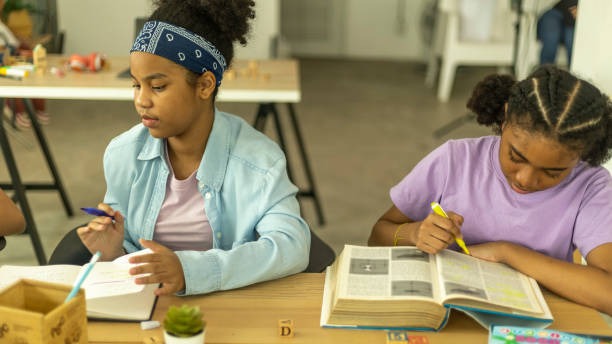
In the ever-evolving landscape of education, the relationship between teacher effectiveness and student engagement has emerged as a focal point for educators, parents, and policymakers alike.
As we dive deeper into this intricate connection, we find that it’s not just about what happens in the classroom; it’s about creating a nurturing environment that fosters growth, curiosity, and a love for learning.
The essence of effective teaching goes beyond simply delivering content.
It’s about the teacher’s ability to connect with students on a personal level, to inspire them to engage with the material, and to cultivate an atmosphere where learning is not only encouraged but celebrated. When teachers are effective, they become catalysts for engagement, sparking interest and motivating students to delve into their studies with enthusiasm.
Understanding this connection starts with recognizing the various elements that contribute to teacher effectiveness. It’s not merely about subject matter expertise; it also encompasses emotional intelligence, classroom management, and the ability to adapt to the diverse needs of students. An effective teacher is one who can read the room, sense when a student is struggling, and offer support tailored to that individual’s needs. This personal touch can make all the difference, transforming a standard lesson into an experience that resonates with students.
Engagement is the lifeblood of education. When students are engaged, they are more likely to participate actively, to ask questions, and to explore topics in depth. This engagement fosters a sense of ownership over their learning journey. Students who feel invested in their education are more likely to persevere through challenges, seek out additional resources, and collaborate with their peers. This dynamic creates a vibrant learning environment where ideas flourish, and creativity thrives.
A small shift toward balance can be achieved through the teacher’s approach to instruction. Incorporating varied teaching methods—such as hands-on activities, group discussions, and technology integration—can cater to different learning styles. When students see that their unique ways of learning are acknowledged and valued, they are more likely to engage fully. This tailored approach not only enhances their understanding of the material but also reinforces their belief in their own abilities.
Moreover, the relationship between teacher effectiveness and engagement is deeply rooted in the social and emotional aspects of learning. Teachers who cultivate a supportive classroom culture create a safe space where students feel comfortable expressing themselves. This emotional safety is crucial, as it allows students to take risks in their learning without the fear of judgment. When students know that their thoughts and contributions are valued, they are more likely to engage wholeheartedly.
Another important aspect is the role of feedback in fostering engagement. Effective teachers provide constructive feedback that encourages students to reflect on their performance and strive for improvement. This feedback loop not only helps students understand their strengths and areas for growth but also instills a growth mindset. When students view challenges as opportunities for learning rather than insurmountable obstacles, their motivation to engage increases significantly.
Parent and community involvement can also enhance the connection between teacher effectiveness and student engagement. When parents and guardians are actively engaged in their children’s education, it reinforces the value of learning. Schools that foster strong partnerships with families often see higher levels of student engagement. Community events, workshops, and open communication channels create a collaborative atmosphere that supports both students and teachers.
As we explore the nuances of this relationship, it becomes evident that professional development for teachers is essential. Continuous learning opportunities help educators refine their skills and stay updated on the latest educational practices. Workshops, peer collaboration, and mentorship programs can empower teachers to enhance their effectiveness, ultimately leading to increased student engagement.
Creating a culture of engagement is not a one-time effort; it is an ongoing journey. Teachers who remain committed to their professional growth and who actively seek feedback from their students are more likely to cultivate an engaged classroom. This commitment fosters a sense of community within the classroom, where students feel they are part of a collective learning experience.
The impact of effective teaching extends beyond academic performance. Engaged students often develop essential life skills such as critical thinking, collaboration, and resilience. These skills are invaluable, equipping students to navigate the complexities of the world beyond the classroom. The connection between teacher effectiveness and engagement is, therefore, not just about grades; it’s about preparing students for a fulfilling life.
In conclusion, the strong connection between teacher effectiveness and engagement is a testament to the profound influence educators have on their students. When teachers embrace their roles as facilitators of learning, they create an environment rich with opportunity and support. This not only enhances academic achievement but also nurtures a lifelong love for learning. As we continue to explore and strengthen this connection, we pave the way for future generations to thrive in an ever-changing world. The journey of learning is, after all, a shared one, and with the right guidance, it can be a beautiful adventure for both teachers and students alike.