Feeling your best often starts with the foods you choose each day.
Nutrition plays a central role in energy, focus, mood, and overall health.
While it may seem challenging to always know what to eat, making thoughtful choices can support how you feel in both small and significant ways.
Choosing foods that nourish the body and mind does not have to be complicated or restrictive. It can be an enjoyable process of discovery and balance that allows you to feel energized, satisfied, and more connected to your well-being.
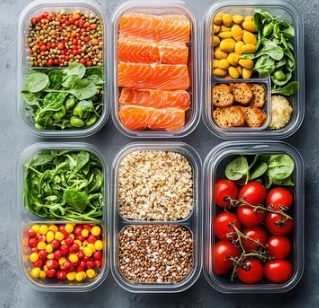
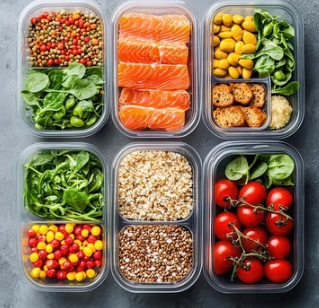
One of the most impactful steps is to prioritize whole, minimally processed foods. Fresh fruits, vegetables, whole grains, lean proteins, and healthy fats provide essential nutrients that the body uses for energy and repair. Unlike heavily processed foods, which may be high in added sugars, unhealthy fats, or artificial ingredients, whole foods tend to keep energy levels stable and support a sense of satiety. Incorporating more of these ingredients into daily meals allows you to feel nourished and focused without relying on quick fixes or caffeine to get through the day.
Fruits and vegetables are particularly important for feeling your best. They are rich in vitamins, minerals, antioxidants, and fiber, which support immune function, digestion, and overall health. Choosing a variety of colors and types helps ensure a broad range of nutrients. For example, leafy greens provide iron and magnesium, while orange vegetables offer beta-carotene, which supports vision and skin health. Berries, citrus fruits, and other brightly colored produce contribute antioxidants that protect the body from daily stressors. Exploring new fruits and vegetables or preparing them in different ways can make meals exciting while enhancing their health benefits.
Proteins are another key component of foods that help you feel your best. Proteins support muscle repair, maintain steady energy, and keep hunger at bay. Incorporating a variety of protein sources, such as eggs, lean meats, fish, beans, lentils, and tofu, allows for flexibility and creativity in meals. Combining protein with fiber-rich foods like vegetables or whole grains can further stabilize blood sugar levels, reducing mid-morning or mid-afternoon energy dips. Protein also helps sustain focus and concentration, making it a valuable part of both breakfast and lunch.
Healthy fats are essential for supporting brain function, hormone regulation, and overall cellular health. Foods such as avocados, nuts, seeds, and olive oil provide these beneficial fats while adding flavor and satisfaction to meals. Including moderate amounts of healthy fats alongside carbohydrates and proteins can create balanced meals that keep you feeling full longer and support steady energy levels. This balance often results in improved mood and mental clarity throughout the day.
Whole grains contribute to feeling your best by providing fiber, vitamins, and minerals while promoting digestive health. Brown rice, oats, quinoa, and whole-wheat products release energy more gradually than refined grains, helping maintain consistent energy and focus. They also pair well with proteins and vegetables to create balanced meals. Switching from refined grains to whole grains can be a simple yet powerful adjustment that enhances both physical and mental well-being.
Hydration is a fundamental part of choosing foods and beverages that support your best self. Water helps maintain energy, focus, and digestion. Staying hydrated can reduce feelings of fatigue and support concentration, which directly influences how you feel. In addition to plain water, herbal teas and naturally flavored water with fruits or herbs can make hydration enjoyable. Drinking consistently throughout the day alongside meals supports overall balance and helps the body use nutrients efficiently.
Fiber-rich foods are particularly beneficial for supporting steady energy and digestive comfort. Vegetables, fruits, legumes, nuts, seeds, and whole grains provide natural fiber that aids digestion, promotes a feeling of fullness, and helps regulate blood sugar. Eating fiber consistently throughout the day can prevent energy crashes and improve long-term health. By pairing fiber-rich foods with proteins and healthy fats, meals become more satisfying and nourishing.
Limiting highly processed foods, added sugars, and excessive sodium can help you feel more vibrant. While occasional treats are part of a balanced approach, relying heavily on processed options may lead to energy fluctuations, mood changes, and digestive discomfort. Choosing meals that emphasize natural flavors and whole ingredients generally leads to a more consistent sense of well-being. Learning to enjoy the natural taste of foods through seasonings like herbs, spices, citrus, and vinegars can make healthy eating more pleasurable without feeling restrictive.
Mindful eating is an effective practice that enhances how foods make you feel. Taking time to notice the taste, texture, and aroma of meals allows you to connect with your body’s signals of hunger and fullness. Mindful eating encourages appreciation for meals and can reduce overeating or snacking out of boredom. This approach helps you recognize which foods truly satisfy both body and mind, supporting long-term choices that contribute to feeling your best.
Planning meals thoughtfully can make it easier to select foods that support energy and mood. Even a loose plan for the week, such as deciding key meals or keeping certain ingredients on hand, reduces the likelihood of relying on less nourishing options when hunger strikes. Planning allows for variety, creativity, and balance, making it more likely that every meal contributes positively to your overall well-being.
Paying attention to how foods make you feel after eating can guide smarter choices over time. Notice which meals leave you feeling energized, satisfied, and focused, and which may lead to sluggishness or discomfort. This awareness helps refine your selections, encouraging patterns that consistently support your best self. Over time, your choices become more intuitive, and eating becomes a tool for sustaining both physical and mental vitality.
Incorporating foods that you genuinely enjoy is crucial. Feeling your best is not only about nutrition but also about pleasure and satisfaction. Meals that are enjoyable contribute to emotional well-being and reduce stress around food. Balancing healthful choices with enjoyable options fosters a sustainable and positive approach to eating. This balance ensures that healthy eating does not feel like a chore but rather a form of self-care.
Small, consistent changes are often the most effective way to improve your food routine. Swapping refined grains for whole grains, adding an extra serving of vegetables, or experimenting with a new fruit can make a noticeable difference over time. Gradually introducing these adjustments helps build a sustainable routine that supports energy, focus, and overall wellness without feeling overwhelming.
Ultimately, choosing foods that help you feel your best is about combining awareness, variety, and enjoyment. By prioritizing whole foods, colorful produce, lean proteins, healthy fats, and whole grains, while staying hydrated and practicing mindful eating, you create meals that support both body and mind. Observing how foods make you feel, planning thoughtfully, and allowing space for enjoyment encourages a balanced approach to eating. When food choices are guided by both nourishment and pleasure, they become a foundation for lasting health and vitality, helping you feel your best each day.