Developing a personal plan for better food choices can feel empowering and supportive rather than restrictive.
A thoughtful approach to eating helps you meet your nutritional needs, enjoy your meals, and maintain a positive relationship with food.
Creating a plan is not about following strict rules or eliminating foods you love; it is about understanding your habits, preferences, and lifestyle so that each meal contributes to your overall well-being.
The first step in building a personal plan is self-reflection. Take time to observe your current eating patterns and consider how they align with your health and energy levels. Are there times of the day when you feel particularly hungry or sluggish? Are there meals that leave you feeling satisfied and energized, and others that do not? Understanding these patterns provides a foundation for creating a plan that works for you rather than imposing external expectations.
Next, identify your goals and priorities. These goals may vary from person to person and can include maintaining steady energy throughout the day, supporting physical activity, improving overall health, or simply feeling more satisfied after meals. Being clear about what you hope to achieve allows you to make intentional choices and design a plan that is both realistic and motivating. Goals should be flexible and achievable, allowing room for adjustment as your needs change over time.
Assessing your lifestyle is equally important. Your daily routine, work or school schedule, activity level, and social commitments all influence the types of foods and meals that will be practical for you. For instance, if your mornings are hectic, preparing quick and nutrient-dense breakfasts may be essential. If you spend long hours at work or school, packing balanced lunches and snacks can prevent energy dips and overeating later. A plan that respects your lifestyle is more likely to be sustainable in the long term.
Incorporating variety is key to a personal food plan. Including different fruits, vegetables, grains, proteins, and healthy fats ensures that your body receives a wide range of nutrients. Variety also keeps meals interesting and enjoyable, preventing boredom. Experimenting with new ingredients, recipes, and cooking methods can make healthy eating feel exciting rather than repetitive. Over time, variety can help you discover new favorite foods that naturally fit into your plan.
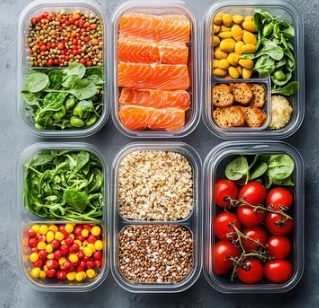
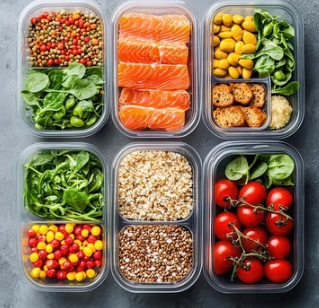
Meal planning and preparation can make your plan more actionable. Preparing ingredients or entire meals ahead of time reduces stress and makes it easier to make choices that support your goals. This does not mean you need to cook elaborate dishes every day; simple strategies, such as chopping vegetables in advance, cooking grains in batches, or portioning snacks, can significantly improve convenience and adherence. Planning ahead allows you to respond to hunger in a mindful way rather than relying on last-minute, less nourishing options.
Listening to your body is a central component of a personal food plan. Hunger, fullness, and energy levels are signals that guide your choices. Paying attention to how different foods make you feel helps you refine your plan and select meals that support your well-being. Mindful eating, which involves slowing down and appreciating the taste, texture, and aroma of your food, strengthens this connection and promotes a more balanced relationship with eating.
Flexibility should be a core principle in your plan. Life is unpredictable, and rigid rules often lead to frustration or feelings of failure. Allowing for occasional indulgences or adjustments ensures that your plan is realistic and sustainable. Flexibility helps you respond to social events, travel, or changes in routine without guilt. The goal is to create a plan that enhances your life rather than restricts it.
Hydration and meal timing are additional factors to consider. Drinking enough water throughout the day supports digestion, energy, and overall health. Regular meals and snacks help maintain steady energy and prevent overeating. Incorporating these elements into your plan ensures that your choices are supportive and practical, rather than relying solely on the composition of the foods themselves.
Enjoyment is just as important as nutrition in a personal plan. Meals should not only fuel the body but also provide pleasure. Choosing foods you genuinely enjoy, preparing them in ways that satisfy your taste preferences, and sharing meals with others can enhance the overall experience. When eating is enjoyable, it reinforces positive habits and makes it easier to stick to your plan consistently.
Tracking progress and reflecting on your choices can help refine your plan. Keeping a simple log of meals, energy levels, or satisfaction can provide insight into what works and what needs adjustment. Regular reflection encourages mindfulness and allows you to celebrate successes, identify patterns, and make informed changes. This process transforms eating from a routine into a conscious and supportive practice.
Incorporating balance is another essential component. A personal plan should include meals that are nourishing, satisfying, and aligned with your lifestyle without emphasizing perfection. Combining carbohydrates, proteins, fats, and fiber in thoughtful ways helps maintain energy and fullness. Simple strategies, such as pairing vegetables with grains and protein or adding healthy fats to meals, support both nutrition and satisfaction.
Education and awareness also strengthen a personal food plan. Understanding basic nutrition principles, reading labels carefully, and being aware of portion sizes can help guide choices without becoming obsessive. Knowledge empowers you to make informed decisions that align with your goals while maintaining flexibility and enjoyment.
Your plan should evolve over time. As your lifestyle, preferences, and needs change, your approach to meals can adapt. Flexibility, mindfulness, and reflection make it easier to adjust without stress. Embracing this dynamic approach ensures that your personal food plan remains relevant and supportive throughout different stages of life.
Support from family, friends, or communities can enhance your plan. Sharing ideas, recipes, or experiences helps maintain motivation and makes healthy eating more enjoyable. Social support can also provide practical assistance, such as meal prep tips or encouragement, which strengthens your commitment to the plan.
Ultimately, creating a personal plan for better food choices is about balance, awareness, and intentionality. It is not about restriction, perfection, or rigid adherence to rules. Instead, it is about understanding your habits, preferences, and lifestyle to make choices that support your energy, health, and overall well-being.
By prioritizing variety, flexibility, enjoyment, and mindful awareness, you can develop a plan that naturally fits into your daily life. Over time, this approach encourages healthier habits, strengthens your relationship with food, and allows each meal to feel nourishing and satisfying. A personal food plan is a tool for empowerment, making it possible to enjoy food while supporting your goals in a realistic and sustainable way.