As we navigate through life, the pursuit of goals often becomes a central theme.
Whether it’s a personal aspiration, a professional ambition, or a dream that’s been tucked away for years, the journey towards achievement can be both exhilarating and daunting.
Among the many avenues leading to success, college education stands out as a significant milestone for many individuals. It’s a place where dreams take shape, skills are honed, and lifelong connections are formed.
The transformative power of education is profound. For many, college represents more than just a step toward a career; it is an opportunity for self-discovery and growth. In this environment, students are encouraged to explore their interests, challenge their assumptions, and develop a deeper understanding of the world around them. This exploration is not just academic; it extends into personal development, helping students to cultivate resilience, adaptability, and critical thinking skills.
A small shift toward balance can make a world of difference during this transformative time. College life is often a whirlwind of classes, assignments, and social activities. It can be easy to lose sight of personal goals amid the chaos. However, taking a moment to pause and reflect can help students realign their focus. Setting clear intentions and breaking down larger goals into manageable steps can make the overwhelming seem achievable.
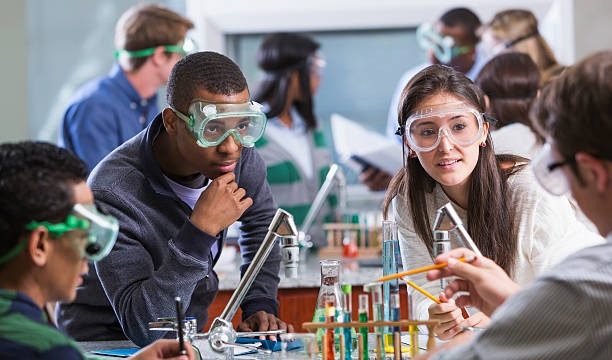
Moreover, the college experience fosters a sense of community. Interacting with peers from diverse backgrounds opens up a world of perspectives and ideas. These interactions can inspire new goals or reframe existing ones. Collaborating on projects, participating in clubs, or simply engaging in conversations can lead to unexpected opportunities. Building a network during college is not just about future job prospects; it’s about creating a support system that can offer guidance and encouragement long after graduation.
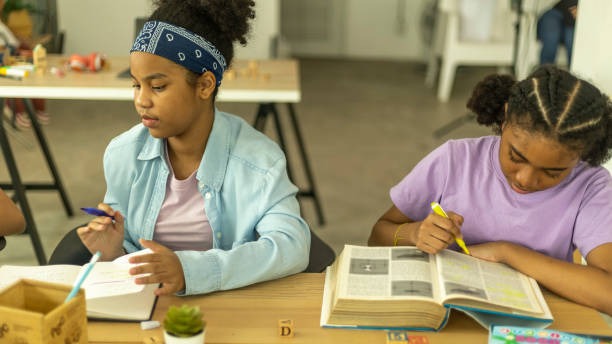
As students immerse themselves in their studies, it’s essential to remember the importance of balance. The pursuit of academic excellence is commendable, but it should not come at the cost of personal well-being. Finding time for relaxation, hobbies, and social connections can enhance the educational experience. Engaging in activities outside of academics can spark creativity and provide a refreshing break from the rigors of coursework.
The notion of lifelong learning is another vital aspect of college education and goal achievement. The knowledge gained during these years lays the groundwork for future endeavors. However, education does not stop at graduation. Cultivating a mindset of curiosity and openness to new experiences can propel individuals toward their goals, long after they leave the classroom. Whether through professional development, online courses, or informal learning, embracing the idea that education is a continuous journey can be liberating.
In addition to the intellectual growth that occurs in college, there is also significant emotional and social development. The challenges faced during these years—be it balancing academic pressures, navigating relationships, or managing time—contribute to personal growth. Each obstacle overcome is a lesson learned, building resilience and confidence. This newfound strength can empower students to pursue their goals with determination and a sense of purpose.
After graduation, the path to achieving one’s goals can take many forms. Some may choose to enter the workforce immediately, while others may opt for further studies or travel. Regardless of the direction taken, the skills and experiences gained during college serve as a foundation. The ability to think critically, communicate effectively, and collaborate with others is invaluable in any field.
The role of mentorship also cannot be understated. Many students find themselves guided by professors, advisors, or industry professionals who share their insights and experiences. These relationships can be pivotal, offering encouragement and direction. Seeking mentorship is not just about finding someone to provide answers; it’s about engaging in meaningful conversations that can illuminate the path ahead.
While the journey to achieving goals often feels like a solitary endeavor, it is essential to recognize the collective nature of success. Whether through study groups, networking events, or informal gatherings, collaboration can lead to innovative ideas and shared resources. The synergy that emerges from working with others can amplify individual efforts, creating a supportive atmosphere conducive to growth and achievement.
As we reflect on the impact of college education on goal achievement, it’s clear that the experience goes beyond acquiring knowledge. It’s about cultivating a holistic understanding of oneself and the world. The friendships formed, the challenges faced, and the lessons learned all contribute to a richer, more fulfilling life.
In the end, the pursuit of goals is a personal journey, marked by individual aspirations and unique experiences. College serves as a vital chapter in this journey, providing the tools, knowledge, and connections needed to navigate the complexities of life. Embracing this phase with an open heart and mind can lead to not only academic success but also a deeper sense of purpose and fulfillment.
As we move forward, it’s important to carry the lessons learned during these formative years into the broader world. Each step taken, whether big or small, brings us closer to realizing our dreams. With education as a steadfast companion, the possibilities are endless.