In a world that is constantly evolving, the methods we use to teach and learn need to adapt as well.
Every child is unique, bringing their own experiences, strengths, and challenges to the classroom.
This diversity calls for a variety of teaching approaches that can cater to different learning styles.
By embracing effective teaching methods, we can create an environment where learning thrives, fostering not just academic success but also personal growth.
One effective approach is to cultivate a nurturing and supportive atmosphere. When students feel safe and valued, they are more likely to engage deeply with the material. This sense of belonging can be cultivated through simple gestures, such as acknowledging each student’s contributions and encouraging open dialogue. Teachers can foster connections by sharing personal experiences and inviting students to share theirs, creating a community where everyone feels seen and heard.
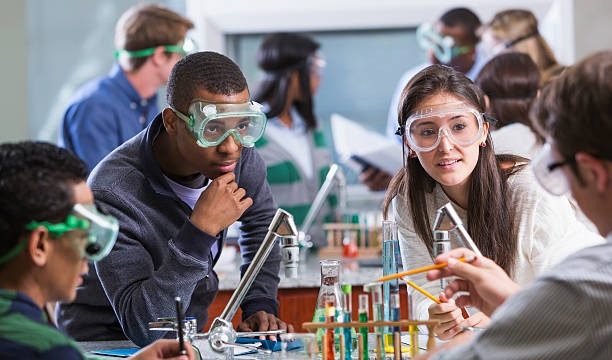
Another essential aspect of effective teaching is the incorporation of interactive and hands-on learning experiences. Rather than relying solely on lectures, engaging students through activities that allow them to explore concepts in a tangible way can lead to deeper understanding. For instance, science experiments or group projects can spark curiosity and encourage collaboration. When students can see and touch the subject matter, it becomes less abstract and more relatable, igniting a passion for learning.
A gentle shift toward balance is also vital in the teaching process. While it’s important to cover the curriculum, it’s equally crucial to allow space for creativity and exploration. Encouraging students to pursue their interests and passions can lead to a more engaged and motivated classroom. This could mean providing time for independent projects or allowing students to choose topics for research assignments. By giving them the freedom to explore what excites them, we empower them to take ownership of their learning journey.
Incorporating technology thoughtfully into the classroom can enhance the learning experience as well. Digital tools can provide students with access to a wealth of resources and opportunities for collaboration beyond the classroom walls. Interactive platforms can facilitate discussions, while educational apps can offer personalized practice. However, it’s important to strike a balance and ensure that technology serves as a tool for learning rather than a distraction. Guiding students on how to use these tools effectively can help them become responsible digital citizens.
The role of feedback cannot be understated in the learning process. Constructive feedback helps students understand their strengths and areas for improvement. It’s essential to approach feedback with kindness, framing it in a way that encourages growth rather than discouragement. One effective method is to use a “two stars and a wish” approach, where the teacher highlights two things the student did well and offers one area for improvement. This method promotes a positive learning environment and encourages students to view feedback as a valuable part of their development.
Encouraging a growth mindset is another powerful teaching method. When students believe that their abilities can be developed through effort and perseverance, they are more likely to embrace challenges and persist in the face of difficulties. Teachers can model this mindset by sharing their own experiences with failure and success, demonstrating that setbacks are a natural part of the learning process. Celebrating effort, rather than just results, reinforces the idea that learning is a journey, not a destination.
Creating opportunities for peer learning can also greatly enhance the educational experience. When students collaborate and teach one another, they reinforce their own understanding while building essential social skills. Group discussions, peer tutoring, and collaborative projects can foster a sense of teamwork and community. This approach not only enriches the learning experience but also helps students develop empathy and communication skills that are vital in today’s world.
A holistic approach to education recognizes the importance of social and emotional learning. Teaching students to manage their emotions, set goals, and develop resilience is just as important as academic instruction. Integrating mindfulness practices, such as breathing exercises or short meditation sessions, can help students cultivate focus and reduce stress. When students are emotionally equipped to handle challenges, they are more likely to thrive academically as well.
As we consider these various teaching methods, it’s essential to remember that flexibility is key. Every classroom is different, and what works for one group of students may not work for another. Being open to adapting and trying new strategies can lead to unexpected successes. Teachers can benefit from professional development opportunities that allow them to explore innovative approaches and share experiences with colleagues.
Ultimately, effective teaching is about connection—connecting with students, with the material, and with the broader learning community. By fostering an environment that values curiosity, creativity, and collaboration, we can help students not only thrive academically but also develop a lifelong love of learning. In this ever-changing world, equipping our students with the skills and mindset to navigate challenges will serve them well, both in school and beyond.
As we embrace these teaching methods, we must remember that education is not just about imparting knowledge; it is about nurturing individuals who are prepared to contribute positively to society. By focusing on the whole child and creating an enriching learning experience, we can inspire the next generation to reach their full potential. In doing so, we cultivate not just learners, but thoughtful, compassionate individuals ready to make their mark on the world.