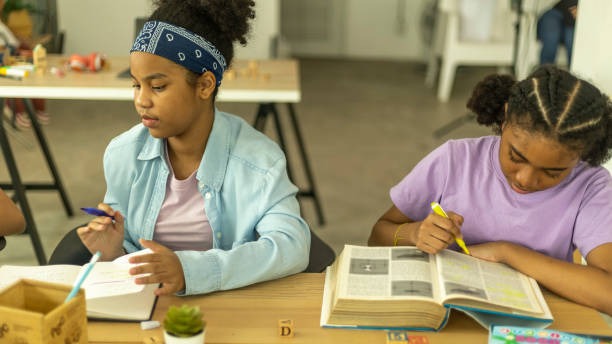
Navigating the transition from elementary school to middle school can feel a bit like stepping into a new world.
The hallways are busier, the subjects are more complex, and the expectations seem to multiply overnight.
One of the most valuable skills that can help students thrive during this time is self-discipline. It’s not just about completing homework on time; it’s about cultivating a mindset that fosters growth, resilience, and a sense of responsibility.
Understanding Self-Discipline
At its core, self-discipline is the ability to control one’s feelings and overcome weaknesses. It’s about making choices that align with your goals and values, even when it’s tempting to do otherwise. For middle schoolers, this might mean choosing to study rather than binge-watch a favorite show, or deciding to finish a project instead of leaving it until the last minute. Developing this skill can lead to improved academic performance, better relationships, and a stronger sense of self.
Finding Your Motivation
Motivation often serves as the foundation of self-discipline. Middle school students are at an age where they begin to understand the importance of their efforts. Encouraging them to connect their tasks to their personal interests can make a significant difference. For example, if a student loves art, they might find motivation in the idea that completing their assignments will allow them more time to pursue their passion.
It’s also beneficial to set clear and achievable goals. These should be specific and measurable, such as completing homework assignments by a certain time each day or dedicating a set amount of time to study for an upcoming test. When students can see their progress, it reinforces their motivation and builds their confidence.
Creating a Supportive Environment
A nurturing environment plays a crucial role in developing self-discipline. This means having a designated study area that is free from distractions, such as televisions and noisy siblings. It can also mean establishing a routine that incorporates time for homework, leisure, and family. Routines help students understand what is expected of them and allow them to manage their time more effectively.
Parents and guardians can support this process by being actively involved in their children’s educational journey. This doesn’t mean hovering over them while they work, but rather checking in to see how they are managing their tasks. Open communication can help students feel secure in discussing their struggles and triumphs, making it easier for them to seek help when needed.
A small shift toward balance
Finding a balance between schoolwork, extracurricular activities, and downtime is essential for developing self-discipline. Middle school is often a time when students begin to explore their interests outside of the classroom. While it’s great to be involved in multiple activities, overcommitting can lead to stress and burnout.
Encouraging students to prioritize their commitments can help them learn to say no when necessary. This is an important aspect of self-discipline, as it teaches them to assess their limits and make choices that promote their well-being. It’s okay to step back from activities if they start to feel overwhelming. Learning to manage time and energy is a skill that will serve them well throughout their lives.
Practicing Mindfulness
Mindfulness can be a powerful tool in cultivating self-discipline. By encouraging students to be present in the moment, they can develop greater awareness of their thoughts and feelings. This awareness can help them recognize when they are tempted to procrastinate or engage in distractions. Simple practices, such as deep breathing or short meditation sessions, can help students ground themselves and refocus on their tasks.
Integrating mindfulness into daily routines can also improve concentration and reduce anxiety. When students feel calmer and more centered, they are better equipped to tackle their responsibilities. This can lead to a more productive and fulfilling school experience.
Handling Setbacks Gracefully
Self-discipline doesn’t mean that students will never face challenges. In fact, setbacks are a natural part of the learning process. It’s important for students to understand that making mistakes is okay and that they can learn from them. When they encounter obstacles, they should take a moment to reflect on what went wrong and how they can adjust their approach moving forward.
Encouraging a growth mindset can help students view challenges as opportunities for growth. This perspective allows them to embrace their failures and learn valuable lessons, rather than becoming discouraged. Reminding them that self-discipline is a journey and that improvement takes time can foster resilience and perseverance.
Celebrating Progress
Recognizing and celebrating small victories can be a great motivator for students learning self-discipline. Whether it’s completing an assignment on time or sticking to a study schedule for a week, taking the time to acknowledge these achievements can boost confidence and reinforce positive habits.
Parents and teachers can play a significant role in this by providing positive feedback and encouragement. Simple gestures, like a high-five or a few words of praise, can make a big difference in how students perceive their efforts. When they feel supported and valued, they are more likely to continue striving for their goals.
Building a Lifelong Skill
Ultimately, learning self-discipline in middle school is about more than just getting through assignments and tests; it’s about laying the groundwork for a successful future. The skills and habits developed during this time can translate into every aspect of life, from personal relationships to future careers.
As students learn to navigate their responsibilities, they cultivate a sense of independence and confidence that will serve them well in the years to come. By fostering an environment that encourages self-discipline, parents, educators, and peers can help middle schoolers thrive both academically and personally.
In a world filled with distractions and competing priorities, self-discipline is a vital skill that can help students find their balance and achieve their dreams. With patience, guidance, and a little practice, middle schoolers can embrace this journey and emerge more resilient and empowered.