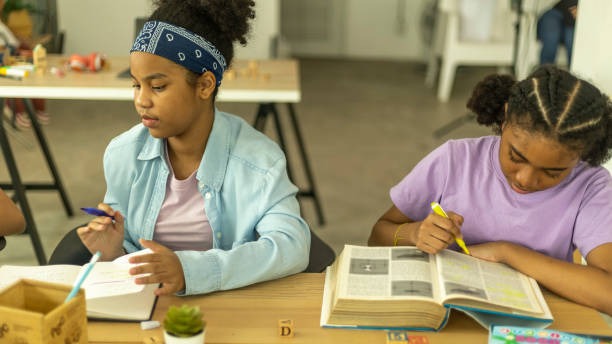
Middle school can be a unique and challenging time in a young person’s life.
With the transition from childhood to adolescence, students often navigate a whirlwind of changes, from shifting friendships to academic pressures.
In this landscape of growth and discovery, cultivating positive thinking habits can serve as a steady anchor.
Embracing positivity not only enhances emotional well-being but also shapes a more resilient mindset, allowing students to handle the ups and downs of middle school life with grace.
A small shift toward balance
At its core, positive thinking is about perspective. It doesn’t mean ignoring challenges or pretending that everything is perfect; rather, it encourages students to focus on the possibilities and opportunities that lie within each situation. For middle schoolers, adopting this mindset can be transformative. It encourages them to view obstacles as opportunities for growth rather than roadblocks.
One gentle way to introduce positive thinking is by fostering an attitude of gratitude. Encouraging students to reflect on what they are thankful for each day can shift their focus away from negativity. Whether it’s a supportive friend, a favorite book, or even a sunny day, acknowledging these small joys can help cultivate a more optimistic outlook. This practice can be as simple as keeping a gratitude journal, where students jot down a few things they appreciate each evening. Over time, this habit can help them recognize the silver linings in their everyday lives.
Nurturing connections
Social dynamics in middle school can be complex, and friendships often play a crucial role in a student’s emotional landscape. Positive thinking habits can significantly enhance these relationships. When students approach their interactions with a positive mindset, they are more likely to engage in supportive and encouraging behavior. This not only strengthens their bonds but also creates a ripple effect, encouraging peers to adopt a similar outlook.
Creating opportunities for students to connect with one another can be invaluable. Group activities, whether they are academic projects or fun team-building exercises, can help foster a sense of community. When students work together toward a common goal, they learn to appreciate diverse perspectives and develop empathy. This collaborative spirit nurtures a supportive environment where positivity can flourish.
Encouraging self-compassion
Middle school students often face a barrage of self-criticism as they navigate new academic challenges and social situations. Teaching them the importance of self-compassion can be a powerful tool in cultivating positive thinking. Self-compassion involves treating oneself with kindness and understanding, especially during difficult times.
Encouraging students to speak to themselves as they would to a friend can help foster this habit. When they experience setbacks, reminding them to acknowledge their feelings without harsh judgment can create a more nurturing inner dialogue. This shift allows students to embrace their imperfections and recognize that everyone faces challenges. By normalizing the ups and downs of life, students can cultivate resilience and a more positive self-image.
Mindfulness as a daily practice
Incorporating mindfulness into daily routines can also enhance positive thinking habits. Mindfulness encourages students to be present in the moment, helping them to recognize their thoughts and feelings without becoming overwhelmed. Simple mindfulness exercises, such as deep breathing or brief moments of reflection, can create a sense of calm and clarity.
Schools can support this practice by integrating mindfulness into their curriculum. Short, guided mindfulness sessions can help students start their day with a clear mind and a positive outlook. Even a few minutes of focused breathing can create a sense of balance, allowing students to approach their day with renewed energy and optimism.
The power of positive affirmations
Positive affirmations can also play a significant role in shaping a student’s mindset. Encouraging them to create personal affirmations can help reinforce their strengths and aspirations. These affirmations can be simple phrases, such as “I am capable,” or “I can handle challenges.” When students repeat these affirmations regularly, they begin to internalize these positive messages, fostering a belief in their abilities.
Creating a space for students to share their affirmations can enhance this practice. Whether through a classroom display or a shared journal, seeing their peers’ affirmations can create a supportive environment that promotes positivity and encouragement.
The journey of growth
Middle school is a time filled with exploration and self-discovery. While challenges are inevitable, the way students respond to them can shape their experiences. By fostering positive thinking habits, educators and parents can help students navigate this journey with resilience and optimism.
Encouraging a growth mindset, where students view challenges as opportunities to learn, can also enhance their overall well-being. When they understand that effort and perseverance are key to growth, they are more likely to embrace challenges rather than shy away from them. This mindset shift can lead to greater academic success and more fulfilling personal relationships.
Creating a culture of kindness
Ultimately, the foundation of positive thinking lies in creating a culture of kindness and support. Schools can play a pivotal role in fostering this environment. Initiatives that promote kindness—such as “random acts of kindness” days or peer mentoring programs—encourage students to uplift one another. When kindness is prioritized, it cultivates a sense of belonging, helping all students feel valued and supported.
As middle schoolers embrace positive thinking habits, they are not only enhancing their own well-being but also contributing to a more compassionate community. This journey of growth, filled with ups and downs, can be navigated more smoothly with a positive mindset. By nurturing these habits, students can learn to face the challenges of middle school—and life—with confidence, resilience, and a hopeful heart.