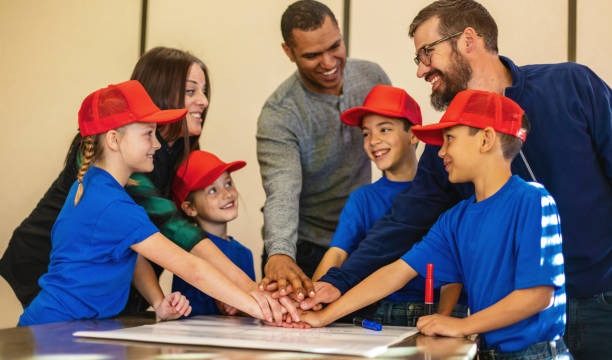
Building strong friendships in elementary school is a beautiful journey that can shape a child’s early experiences and set the stage for future relationships.
At this tender age, children are not only discovering themselves but are also learning how to connect with others.
The friendships formed during these formative years can provide support, joy, and a sense of belonging that lasts a lifetime. Here’s a gentle exploration of how to nurture these vital connections.
Understanding the importance of friendship is the first step toward fostering meaningful relationships. Friendships in elementary school can help children develop social skills, boost their self-esteem, and give them a sense of community. These bonds can also provide a safe space for children to express themselves and navigate the ups and downs of childhood together. When children feel connected to their peers, they often experience a greater sense of happiness and security.
A gentle approach to initiating friendships can make a world of difference. For many children, making the first move can feel daunting. One way to ease this process is by encouraging them to engage in activities they genuinely enjoy. Whether it’s joining a sports team, participating in art classes, or being part of a school club, these environments naturally bring children together who share similar interests. When children are engaged in something they love, they are more likely to meet like-minded peers, creating a comfortable foundation for friendship.
Another important aspect of building friendships is the art of communication. Teaching children how to express themselves clearly and listen actively can enhance their social interactions. Simple practices, like encouraging them to share their thoughts and feelings, can foster deeper connections. Children who feel heard are more likely to reciprocate, creating a nurturing cycle of understanding and support. Role-playing different social scenarios can also be an effective way to help them navigate potential challenges, such as approaching someone new or resolving conflicts.
Creating a welcoming environment for friendships can also play a significant role in strengthening connections. Parents can encourage playdates or group activities that allow children to interact in a relaxed setting. These informal gatherings can break the ice and provide opportunities for laughter and shared experiences. The more comfortable children feel with one another, the more likely they are to forge lasting bonds.
Another gentle way to nurture friendships is by modeling positive behavior. Children often learn by observing the adults in their lives. Displaying kindness, empathy, and respect in your interactions with others can set a powerful example for them. When children see these qualities in action, they are more likely to emulate them in their own friendships. Encouraging them to practice gratitude and express appreciation for their friends can also reinforce the value of their relationships.
Encouragement and support from parents can help children navigate the complexities of friendships. It’s essential to create an open dialogue where children feel comfortable sharing their experiences, whether they are joyful or challenging. Sometimes, friendships can be tested, and it’s important for children to know that it’s okay to seek help when they encounter conflicts or misunderstandings. Teaching them conflict resolution skills can empower them to address issues constructively, reinforcing their friendships rather than letting them fade away.
As children grow, so do their friendships. It’s natural for friendships to evolve and change over time. Encouraging children to embrace these changes and understand that it’s okay to drift apart from some friends while forming new connections is an important lesson. Helping them recognize the value of both long-lasting friendships and new acquaintances can broaden their social horizons and enrich their experiences.
A small shift toward balance can also be beneficial in a child’s social life. While friendships are important, it’s equally crucial to teach children the value of independence. Encouraging them to pursue individual interests and hobbies outside of their friendships can help them develop a strong sense of self. This balance can ultimately enhance their friendships, as they bring unique experiences and perspectives to their relationships.
In the digital age, friendships can also extend beyond the playground. Teaching children about the responsible use of technology can open up new avenues for connection. Online platforms can provide opportunities for children to maintain friendships, especially if their peers are not physically close by. However, it’s vital to guide them on how to navigate these platforms safely and positively. Conversations about online etiquette and the importance of face-to-face interactions can help them strike a healthy balance between virtual and real-world friendships.
Celebrating the diversity of friendships is another beautiful aspect of elementary school relationships. Encouraging children to befriend classmates from different backgrounds, cultures, and interests can enrich their understanding of the world. These diverse friendships can broaden their perspectives, teach them empathy, and create a more inclusive environment within their school community. Emphasizing the beauty in differences can help children appreciate the richness that varied friendships bring to their lives.
Ultimately, building strong friendships in elementary school is a journey filled with opportunities for growth, learning, and connection. By nurturing these early relationships, children can develop essential social skills, build confidence, and create a support network that will benefit them throughout their lives. With gentle guidance and encouragement, parents can help their children navigate this beautiful terrain, fostering friendships that are not only meaningful but also lasting.
In this warm and supportive atmosphere, children can thrive, learn the art of connection, and embrace the joy that friendships bring. As they step into the world of relationships, they are not just building friendships; they are weaving the fabric of their lives, one connection at a time.