In today’s fast-paced world, the importance of social skills cannot be overstated.
These skills form the foundation for meaningful relationships, effective communication, and overall emotional well-being.
For children, developing these skills in a nurturing environment is essential. One of the most effective ways to encourage social skills is through classroom games. These activities not only make learning fun but also create opportunities for children to engage with one another in a supportive setting.
Creating connections through play
Classroom games serve as a bridge for children to connect with their peers. When engaged in play, children naturally let their guards down, allowing for authentic interactions. The laughter and excitement that come with games can break the ice, making it easier for children to communicate. This relaxed atmosphere encourages teamwork and cooperation, essential elements in developing social skills.
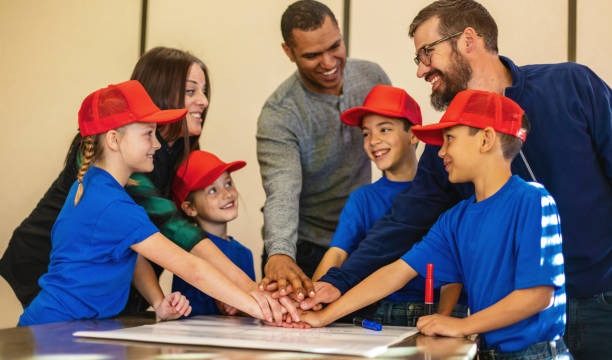
Many games require collaboration, teaching children how to work together toward a common goal. Whether it’s a simple relay race or a more complex team challenge, these activities help children understand the value of listening, sharing, and respecting one another’s ideas. Through these experiences, they learn that every voice matters, an invaluable lesson that extends beyond the classroom.
A small shift toward balance
Games can also help children navigate the balance between competition and cooperation. While it’s natural for some children to thrive in competitive environments, others may feel overwhelmed. By introducing games that emphasize teamwork over individual achievement, educators can foster an inclusive space where every child feels valued.
For instance, games that require players to support one another, such as cooperative board games or group problem-solving challenges, teach the importance of empathy and understanding. Children learn that winning is not everything; sometimes, the shared experience of playing together is the true reward. This shift in focus can lead to a more harmonious classroom atmosphere, where everyone feels encouraged to participate.
Building confidence through interaction
One of the most significant benefits of classroom games is how they can build confidence in children. Social interactions can be daunting, especially for those who are shy or introverted. Games provide a structured environment where children can practice their social skills without the pressure of real-world scenarios.
As they navigate the rules of a game, children learn to express themselves, share their thoughts, and engage in discussions. Each successful interaction reinforces their self-esteem, allowing them to feel more comfortable in social settings. Over time, these small victories accumulate, helping children develop a sense of belonging and identity within their peer groups.
Embracing diversity in play
Classroom games also offer a unique opportunity to celebrate diversity. In a multicultural environment, children from various backgrounds come together, bringing their unique perspectives and experiences. Games can serve as a platform for sharing these differences, promoting understanding and acceptance among peers.
Incorporating games from different cultures can enrich the classroom experience, allowing children to learn about each other’s traditions while having fun. This not only broadens their horizons but also fosters an appreciation for diversity. As children engage with one another in these playful settings, they develop a sense of curiosity and openness, essential traits in today’s interconnected world.
Nurturing problem-solving skills
Many classroom games naturally incorporate elements of problem-solving. Whether it’s figuring out a puzzle together or strategizing a team approach, these activities encourage critical thinking and creativity. As children collaborate to overcome challenges, they learn how to communicate their ideas and listen to others, essential components of effective teamwork.
Through these experiences, children develop resilience as they encounter setbacks and learn to adapt. They begin to understand that mistakes are not failures but opportunities for growth. This mindset is crucial in helping them navigate social situations with confidence and grace.
Fostering friendships through shared experiences
One of the most beautiful outcomes of classroom games is the friendships that blossom as children engage with one another. Shared experiences create bonds that can last a lifetime. When children laugh, cheer, and sometimes even commiserate together, they form connections that deepen their understanding of one another.
These friendships often extend beyond the classroom, leading to playdates and social gatherings outside of school. As children build these relationships, they develop a sense of belonging that can significantly impact their emotional well-being. Feeling connected to peers not only enhances their social skills but also contributes to their overall happiness and fulfillment.
Creating a safe space for expression
Incorporating games into the classroom also helps create a safe space for children to express themselves. Many children may struggle to articulate their feelings or thoughts, particularly in more formal settings. Games provide a relaxed environment where they can practice expressing their emotions in a supportive manner.
Encouraging children to share their thoughts on game strategies or outcomes fosters open communication. As they learn to articulate their feelings and opinions, they become more adept at navigating social interactions. This skill is crucial as they grow and encounter more complex social dynamics in their lives.
In the heart of development
Encouraging social skills through classroom games is not just about fun; it’s about nurturing the heart of development. These activities create a rich tapestry of connections, fostering empathy, collaboration, and resilience. As children engage in play, they learn valuable lessons that will serve them well throughout their lives.
In a world that often feels disconnected, classroom games offer a gentle reminder of the power of connection. By providing children with opportunities to interact, share, and grow together, we are not only enhancing their social skills but also laying the foundation for a more compassionate and understanding society. In this nurturing environment, every child has the chance to shine, building friendships and skills that will last a lifetime.