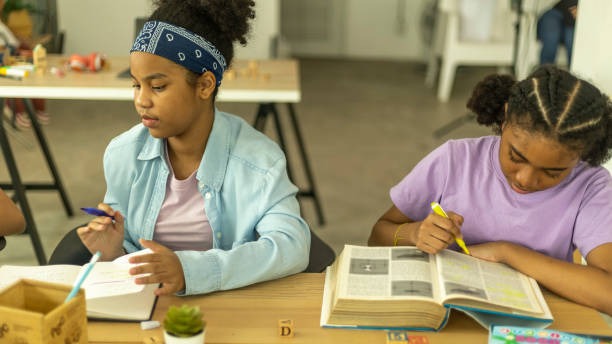
In today’s fast-paced educational environment, effective communication is essential for fostering a positive learning atmosphere.
One of the exciting tools that has emerged to enhance this aspect of teaching is the interactive whiteboard.
These engaging devices help bridge the gap between traditional teaching methods and the modern demands of student engagement.
By integrating technology into the classroom, educators can create a more dynamic and inclusive environment where every student feels valued and heard.
The journey of learning is often a collaborative one, and interactive whiteboards facilitate this process beautifully. Unlike traditional chalkboards or flip charts, these smart boards allow for real-time interaction, making lessons more engaging and participatory. Imagine students not just sitting back and absorbing information, but actively contributing to discussions, solving problems, and sharing ideas. This shift in dynamic can be transformative, as it encourages students to think critically and communicate openly with one another.
When teachers utilize interactive whiteboards, they can present lessons in a visually stimulating manner. The ability to display videos, images, and interactive simulations captivates students’ attention and makes complex concepts more digestible. This multisensory approach caters to various learning styles, ensuring that visual learners, auditory learners, and kinesthetic learners all find something that resonates with them. Such inclusivity fosters a sense of belonging, which is vital for student confidence and participation.
A gentle integration of technology into the classroom also allows for instant feedback. As students engage with the content, they can respond to questions or participate in polls directly on the board. This immediate interaction not only keeps the energy levels high but also gives teachers valuable insights into student understanding. When educators can see where students are excelling or struggling in real-time, they can adjust their teaching strategies accordingly. This responsiveness cultivates a more supportive learning environment where students feel comfortable expressing their thoughts and questions.
The collaborative aspect of interactive whiteboards cannot be overstated. They enable group work in a way that traditional tools simply cannot. Students can gather around the board, brainstorming ideas and building on each other’s contributions. This collaborative spirit nurtures teamwork and communication skills, which are essential for success beyond the classroom. In a world that increasingly values collaboration, equipping students with these skills is a gift that will serve them well throughout their lives.
Moreover, the interactive whiteboard can be a gateway to global learning opportunities. With the internet at their fingertips, students can connect with peers from around the world, participate in virtual exchanges, and explore diverse cultures, all from their classroom. This exposure broadens their horizons and fosters a sense of global citizenship. The ability to communicate with others, understand different perspectives, and work on joint projects prepares students for a future where collaboration knows no borders.
As we embrace the potential of interactive whiteboards, it’s important to remember that technology is a tool, not a replacement for good teaching. The heart of effective communication in the classroom lies in the relationships built between teachers and students. While interactive whiteboards enhance the learning experience, they should complement the personal connections that educators strive to create. It’s the warmth of a teacher’s encouragement, the spark of curiosity in a student’s eye, and the laughter shared during a group activity that truly make a classroom thrive.
For educators looking to make the most of interactive whiteboards, thoughtful planning is key. Integrating these tools into lesson plans requires creativity and an understanding of students’ needs. It’s beneficial to incorporate activities that promote student interaction, such as group discussions, interactive quizzes, or collaborative projects. The more students are involved, the more likely they are to feel comfortable communicating their thoughts and ideas.
Another important aspect to consider is professional development. Teachers must feel confident in using technology effectively to reap its benefits. Schools can support their educators by providing training sessions, resources, and opportunities to share best practices. When teachers are empowered to use interactive whiteboards creatively, they can inspire their students to engage deeply with the material.
As we reflect on the role of interactive whiteboards in classroom communication, it’s clear that these tools represent more than just a technological upgrade. They symbolize a shift toward a more inclusive, engaging, and collaborative educational experience. By fostering an environment where students feel comfortable to share, question, and explore, we are nurturing the communicators of tomorrow.
In the end, the goal of education is not merely to impart knowledge, but to inspire curiosity, confidence, and connection. Interactive whiteboards can play a significant role in this journey, helping to create a vibrant classroom culture where every voice is heard and valued. As we continue to navigate the evolving landscape of education, embracing these interactive tools can lead us toward a brighter, more connected future for our students.
In this age of rapid change, the ability to communicate effectively is a vital skill that will serve students throughout their lives. By harnessing the power of interactive whiteboards, we are not just enhancing lessons; we are shaping a generation of thoughtful, engaged, and articulate individuals ready to take on the world.