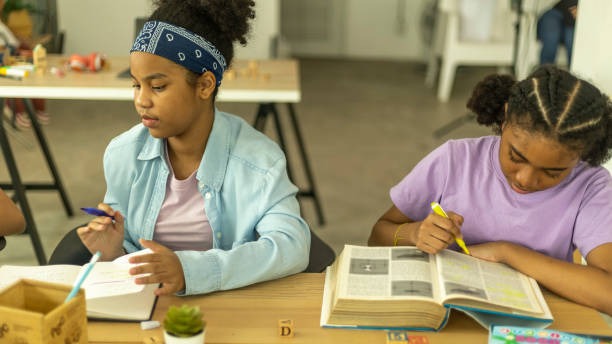
Supporting struggling learners is a journey that can be both rewarding and challenging.
Whether you’re a parent, teacher, or mentor, fostering an environment where these learners can thrive requires patience, understanding, and a touch of creativity.
Here are some thoughtful strategies to help guide you in this important endeavor.
Creating a nurturing atmosphere is essential. A calm and inviting space can make a significant difference in a learner’s experience. This doesn’t mean you need a perfectly organized classroom or an immaculate study area at home. Instead, focus on making the space feel safe and welcoming. Soft lighting, comfortable seating, and the absence of distractions can help create an environment where learners feel secure enough to express themselves and take risks.
It’s also important to build strong relationships. Connecting with struggling learners on a personal level can help them feel valued and understood. Take the time to listen to their concerns and interests. Ask open-ended questions and show genuine curiosity about their thoughts and feelings. When learners feel that someone cares about them, they are more likely to engage and participate actively in their learning journey.
Understanding individual learning styles is another critical aspect of supporting struggling learners. Each student has a unique way of processing information, and recognizing this can lead to more effective teaching methods. Some students may thrive in visual settings, while others might benefit from hands-on activities or auditory instruction. Observing how each learner interacts with different materials can provide valuable insights. Tailoring your approach to meet their needs can make learning more enjoyable and effective.
Encouragement and positive reinforcement can work wonders. Celebrate small victories, no matter how minor they may seem. A simple acknowledgment of effort can boost a learner’s confidence and motivate them to keep trying. Positive feedback creates a sense of accomplishment and helps build resilience. When learners know that their efforts are recognized, they are more likely to push through challenges.
Incorporating creativity into learning can also be a game-changer. Encourage learners to express their understanding through various mediums, such as art, music, or storytelling. This not only makes learning more enjoyable but also allows them to explore concepts in a way that resonates with them personally. When learners can connect their studies to their interests, they are more likely to invest time and energy into their education.
Flexibility is key when working with struggling learners. Sometimes, traditional methods may not yield the desired results. Being open to trying different strategies can lead to breakthroughs. If a particular approach isn’t working, don’t hesitate to switch gears. This adaptability not only benefits the learners but also fosters a culture of exploration and innovation.
Encouraging a growth mindset is another valuable tool. Help learners understand that intelligence and abilities can improve over time with effort and perseverance. Share stories of famous individuals who faced challenges but ultimately succeeded through hard work and determination. This perspective can inspire learners to view obstacles as opportunities for growth rather than insurmountable barriers.
Collaboration can also enhance the learning experience. Encourage group work or peer tutoring, where learners can support one another. This not only helps struggling learners gain different perspectives but also builds a sense of community. When learners work together, they can share ideas, clarify concepts, and motivate each other, creating a supportive network that benefits everyone involved.
It’s essential to maintain open lines of communication with parents or guardians. Keeping them informed about their child’s progress and challenges can help create a united front. Regular updates can foster a sense of partnership and allow parents to reinforce learning at home. Providing resources or suggestions for activities that can be done outside of the classroom can further support the learner’s development.
Mindfulness and self-care practices can also play a significant role in the learning process. Encouraging learners to take breaks, practice deep breathing, or engage in physical activity can help reduce stress and anxiety. When learners feel mentally and emotionally balanced, they are better equipped to tackle academic challenges. Integrating mindfulness activities into the learning routine can create a more holistic approach to education.
Lastly, patience is a virtue that cannot be overstated. Progress may not always be linear, and setbacks are a natural part of the learning process. Being patient and maintaining a positive outlook can create a supportive environment where learners feel safe to take risks. Remind them that it’s okay to stumble along the way; what matters is the willingness to keep moving forward.
In conclusion, supporting struggling learners is a multifaceted journey that requires compassion, creativity, and collaboration. By creating a nurturing environment, building strong relationships, and being adaptable in your approach, you can help these learners thrive. Remember to celebrate their successes, no matter how small, and encourage them to embrace challenges as opportunities for growth. With these thoughtful strategies, you can make a meaningful impact on their educational experience, guiding them toward a brighter future filled with possibilities.