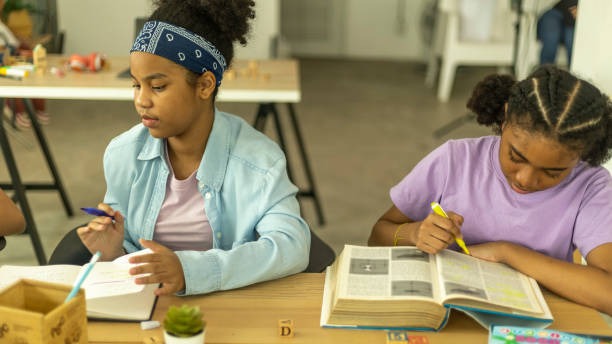
In the world of education, finding ways to engage students can sometimes feel like searching for a needle in a haystack.
Yet, when learning is infused with creativity and fun, the classroom transforms into a vibrant space where ideas flourish.
Lesson plans that incorporate enjoyable projects can captivate students’ hearts and minds, making learning a delightful adventure.
Embracing creativity in lesson planning begins with the understanding that every student has a unique way of engaging with material. Some thrive in hands-on activities, while others find inspiration in storytelling or visual arts. The key is to create a balanced mix that allows students to explore their interests while achieving educational goals. By incorporating projects that appeal to various learning styles, educators can foster an environment where students feel motivated and inspired.
One way to ignite enthusiasm in the classroom is through thematic projects. Imagine a unit on ecosystems where students not only learn about different habitats but also actively participate in creating a miniature ecosystem. This project could involve crafting a terrarium, complete with plants, soil, and small figurines to represent animals. As students work together on this hands-on activity, they learn about the delicate balance of nature while developing teamwork and problem-solving skills. The joy of watching their creation come to life can spark a deeper interest in environmental science.
Another engaging approach is to bring literature to life. Consider a lesson centered around a classic novel or a contemporary story. Instead of simply discussing plot points or character development, students could dive into a creative project that allows them to express their understanding in a unique way. For instance, they could design a book trailer, combining elements of film and storytelling to summarize the narrative and capture its essence. This project not only enhances comprehension but also encourages students to think critically about how to convey themes and emotions visually.
Incorporating technology can also add a layer of excitement to lesson plans. Students today are digital natives, and using tools they are familiar with can enhance their learning experience. A project that involves creating a podcast about a historical event or a scientific discovery can engage students in research, writing, and presentation skills. As they collaborate to produce a polished audio piece, they learn to communicate their ideas clearly and effectively. This blend of creativity and technology can make the learning process feel relevant and modern.
Moreover, integrating art into lessons can elevate engagement levels. Imagine a history lesson where students create a visual timeline of significant events. Instead of a traditional written report, they could use various art supplies to craft a vibrant mural or a digital collage that represents their understanding of the era. This artistic expression allows students to connect emotionally with the content and fosters a sense of ownership over their learning journey.
Themed projects can also serve as a bridge to foster community connections. For instance, organizing a community service project that ties into a social studies unit can create a sense of purpose for students. If they are learning about local history, they might engage in a project that involves researching and restoring a historical site within their community. This not only reinforces their learning but also instills a sense of pride and responsibility toward their surroundings.
As educators design lesson plans, it’s essential to consider the balance between structure and flexibility. While clear objectives are crucial, allowing room for creativity can lead to unexpected and delightful outcomes. Providing students with choices in their projects can empower them to take ownership of their learning. For example, offering options such as creating a video, writing a short story, or developing a presentation allows students to select a format that resonates with them. This autonomy can lead to deeper engagement and a more profound connection to the material.
Collaboration is another vital element in project-based learning. Group projects encourage students to share ideas and learn from one another, building social skills that are just as important as academic knowledge. Imagine a science project where students team up to design a simple machine. As they brainstorm and experiment together, they not only learn about physics but also develop communication and teamwork skills that will serve them well beyond the classroom.
Reflection is an often-overlooked aspect of project-based learning. After completing a project, taking time for students to reflect on their experiences can enhance their understanding and retention of the material. This could involve journaling about what they learned, discussing challenges they faced, or sharing what they enjoyed most about the process. Reflection fosters a growth mindset, encouraging students to see learning as a journey filled with opportunities for improvement and exploration.
Ultimately, the goal of lesson plans infused with fun projects is to create a rich tapestry of learning experiences that resonate with students. When lessons feel relevant and engaging, students are more likely to develop a love for learning that lasts a lifetime. By embracing creativity, collaboration, and reflection, educators can cultivate an environment that inspires students to explore, discover, and grow.
As we look to the future of education, let’s remember that the heart of learning lies not just in the acquisition of knowledge, but in the joy of discovery. By designing lesson plans that engage students with fun projects, we can nurture a generation of curious, creative thinkers ready to take on the world.