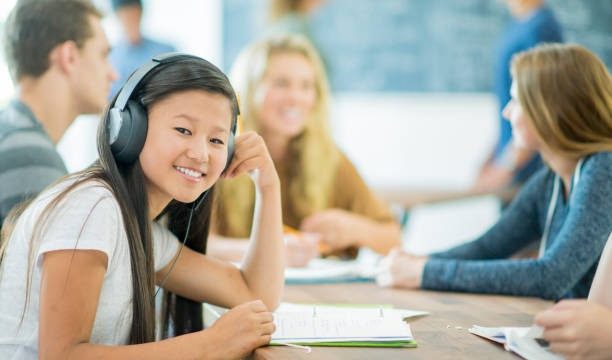
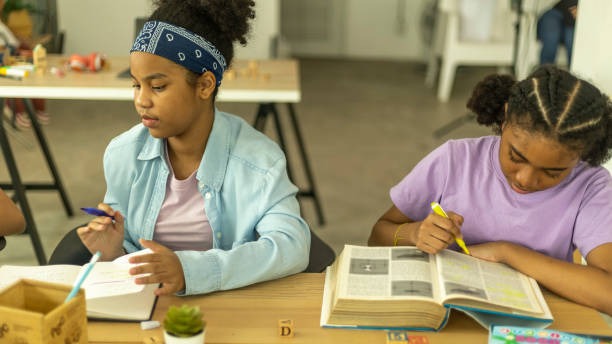
Creating a vibrant classroom environment where students feel engaged and valued is a fundamental aspect of teaching.
One effective way to foster this atmosphere is through thoughtfully designed lesson plans that encourage interaction.
When students actively participate, they not only absorb knowledge more deeply but also develop critical social skills.
Let’s explore some gentle yet effective strategies to enhance classroom interaction through well-crafted lesson plans.
A small shift toward balance
Creating a balanced lesson plan begins with understanding the diverse needs of students. Each classroom is a unique tapestry of personalities, learning styles, and backgrounds. By incorporating a variety of interactive elements into lesson plans, teachers can cater to these differences, ensuring that every student has the opportunity to shine. This approach not only promotes engagement but also fosters a sense of community within the classroom.
One way to achieve this balance is by integrating collaborative group work into lesson plans. Group activities encourage students to share ideas, problem-solve together, and learn from one another. Whether it’s a science project, a literature discussion, or a math challenge, working in groups allows students to take ownership of their learning. The key is to create groups that are diverse and dynamic, mixing different abilities and perspectives. This diversity can lead to richer discussions and deeper understanding of the material.
The art of asking questions
A powerful tool for enhancing classroom interaction is the art of questioning. Thought-provoking questions can spark lively discussions and encourage students to think critically. When formulating questions for lesson plans, consider open-ended queries that invite exploration rather than simple yes-or-no answers. For instance, instead of asking, “Did you like the story we read?” consider asking, “What themes did you notice in the story, and how do they relate to your own experiences?” This shift encourages students to engage with the material on a more personal level.
Incorporating wait time after posing a question can also significantly enhance interaction. Giving students a moment to think before responding allows them to formulate their thoughts more clearly. This practice not only benefits those who may need a little extra time to process but also creates a more thoughtful and respectful dialogue among peers.
Creating a safe space for sharing
For students to engage fully, they must feel safe expressing their thoughts and feelings. A supportive classroom environment is essential for fostering open communication. Teachers can cultivate this space by establishing ground rules for discussions, emphasizing respect and active listening. Encouraging students to share their ideas without fear of judgment can lead to a more inclusive and vibrant classroom dynamic.
In lesson plans, consider incorporating activities that promote sharing and reflection. Journaling, for example, can be a wonderful way for students to express their thoughts privately before sharing them with the class. This practice not only allows for personal reflection but also prepares students for group discussions, making them feel more confident in sharing their insights.
Embracing technology thoughtfully
In today’s digital age, technology can serve as a bridge to enhance classroom interaction. Thoughtfully integrating tech tools into lesson plans can make learning more engaging and interactive. For instance, using platforms that allow for collaborative projects or discussions can create an exciting space for students to connect with each other, even if they are physically apart.
However, it’s essential to approach technology with intention. Choose tools that complement the lesson objectives and encourage meaningful interaction rather than distractions. For instance, using online discussion boards or collaborative documents can provide students with a platform to share ideas and feedback, fostering a sense of community beyond the classroom walls.
Nurturing curiosity through exploration
Curiosity is a natural driver of engagement. When students are curious, they are more likely to participate actively in their learning. Crafting lesson plans that incorporate exploratory activities can ignite this curiosity. Hands-on experiments, field trips, or project-based learning opportunities allow students to investigate topics in depth, making learning feel relevant and exciting.
Encouraging students to ask their own questions during these explorations can further enhance interaction. Consider dedicating time for students to present their findings to the class, fostering a culture of inquiry and collaboration. This not only empowers students to take charge of their learning but also nurtures a classroom environment where everyone’s voice is valued.
Fostering reflection and feedback
Reflection is a powerful tool for growth, both for students and teachers. Incorporating opportunities for reflection in lesson plans can deepen understanding and promote interaction. After group activities or discussions, allow time for students to reflect on what they learned and how they felt during the process. This can be done through informal discussions, quick writes, or even art projects that capture their experiences.
Providing constructive feedback is equally important. When students receive thoughtful feedback on their contributions, they are more likely to feel motivated to engage further. Creating a feedback loop where students can also share their thoughts on the lesson can lead to continuous improvement in classroom interaction.
The journey of connection
Enhancing classroom interaction through lesson plans is a journey of connection—between students, between students and teachers, and between the material and the learners. By embracing diverse learning styles, fostering open communication, and nurturing curiosity, educators can create an environment where every student feels valued and engaged.
As we reflect on the essence of teaching, let’s remember that interaction is at the heart of learning. By thoughtfully designing lesson plans that prioritize engagement, we not only enrich the educational experience but also empower students to become active participants in their own learning journeys. In this way, every classroom can become a vibrant community where ideas flourish, friendships grow, and knowledge is shared in a loving and supportive atmosphere.