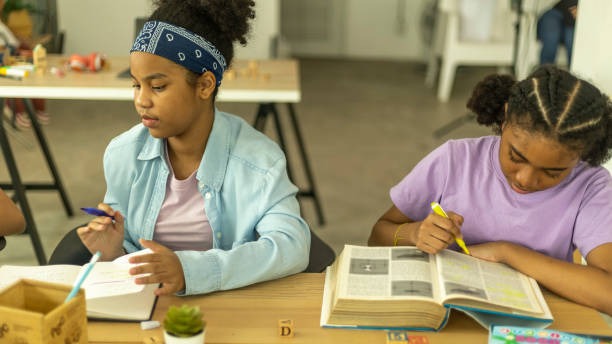
As we navigate the ever-evolving landscape of education, the concept of online learning has emerged as a beacon of opportunity.
It invites us to step into a new realm where knowledge is accessible, flexible, and tailored to our individual needs.
This shift is not merely a trend; it represents a profound transformation in how we think about learning and personal growth.
The beauty of online learning lies in its versatility. Imagine waking up in the morning, enjoying a cup of your favorite beverage, and diving into a world of knowledge right from the comfort of your home. No longer confined to traditional classrooms, you can choose to learn at your own pace, fitting education seamlessly into your life. Whether you’re a busy professional looking to upskill, a parent balancing family responsibilities, or simply someone with a thirst for knowledge, online learning provides a unique solution.
As we embrace this digital era, we find ourselves surrounded by a plethora of resources. From video lectures and interactive courses to engaging forums and virtual study groups, the options are abundant. This diversity allows learners to select platforms and styles that resonate with their personal preferences. Some may thrive in the structured environment of a live online class, while others might prefer the freedom of self-paced modules. This choice empowers individuals to curate their own learning journey.
Moreover, online learning encourages a sense of community that transcends geographical boundaries. Through discussion boards and social media groups, learners can connect with peers from various backgrounds, sharing perspectives and experiences that enrich the educational process. These connections often lead to lasting friendships and professional networks, proving that the virtual classroom can foster relationships just as meaningful as those formed in person.
A small shift toward balance is also evident in the way online learning accommodates different lifestyles. For many, the traditional 9-to-5 routine can be a barrier to pursuing further education. Online platforms break down these barriers, allowing learners to engage with material during times that suit them best. This flexibility can reduce stress and create a more enjoyable learning experience, as individuals can study when they feel most alert and inspired.
As we consider the future, it’s essential to recognize the role of technology in shaping our educational experiences. Innovations in virtual reality, artificial intelligence, and interactive simulations are pushing the boundaries of how we learn. Imagine exploring ancient civilizations through immersive virtual tours or using AI-driven tools that adapt to your learning style. These advancements not only make education more engaging but also bring complex subjects to life in ways that traditional methods cannot.
The accessibility of online learning also plays a crucial role in democratizing education. With just an internet connection, individuals from diverse backgrounds can access high-quality courses that were once reserved for a select few. This inclusivity fosters a culture of lifelong learning, encouraging people to pursue their passions and explore new interests without the constraints of location or financial burden.
As we step into the future, it’s important to maintain a mindful approach to online learning. With the vast array of choices available, it can be easy to feel overwhelmed. Taking the time to reflect on personal goals and interests can help guide your educational journey. Whether it’s picking up a new language, delving into digital marketing, or exploring creative writing, aligning your learning with your passions can create a fulfilling experience.
In this digital age, self-discipline becomes a valuable asset. The freedom that online learning offers is accompanied by the responsibility to stay motivated and engaged. Creating a dedicated study space, setting aside regular time for learning, and minimizing distractions can help cultivate a productive environment. Establishing a routine not only enhances focus but also reinforces the commitment to personal growth.
As we embrace the possibilities of online learning, we must also acknowledge its potential challenges. The lack of face-to-face interaction can sometimes lead to feelings of isolation. However, by actively seeking out online communities and engaging with fellow learners, we can bridge this gap. Participating in group discussions or joining study sessions can foster a sense of belonging, making the learning experience more enjoyable.
In addition to the emotional aspects, it’s essential to consider the practical benefits of online education. Many employers now recognize the value of digital credentials, understanding that online courses can equip candidates with relevant skills and knowledge. This shift in perception is a testament to the effectiveness of online learning and its growing acceptance in the professional world.
As we look ahead, the future of online learning appears bright. With continual advancements in technology and increasing recognition of its benefits, we can expect even more innovative approaches to education. This evolution encourages us to remain open to new experiences, to embrace curiosity, and to pursue knowledge in ways that enrich our lives.
Ultimately, stepping into the future with online learning is about more than just acquiring new skills. It’s an invitation to embark on a journey of self-discovery, growth, and connection. By embracing this flexible, inclusive, and dynamic form of education, we can cultivate a lifelong love of learning that empowers us to navigate an ever-changing world.
So, let us take that first step together—into a future where learning knows no bounds and where every day offers a new opportunity to explore, expand, and elevate our lives. In this shared journey, we can inspire each other to reach our fullest potential, one lesson at a time.